

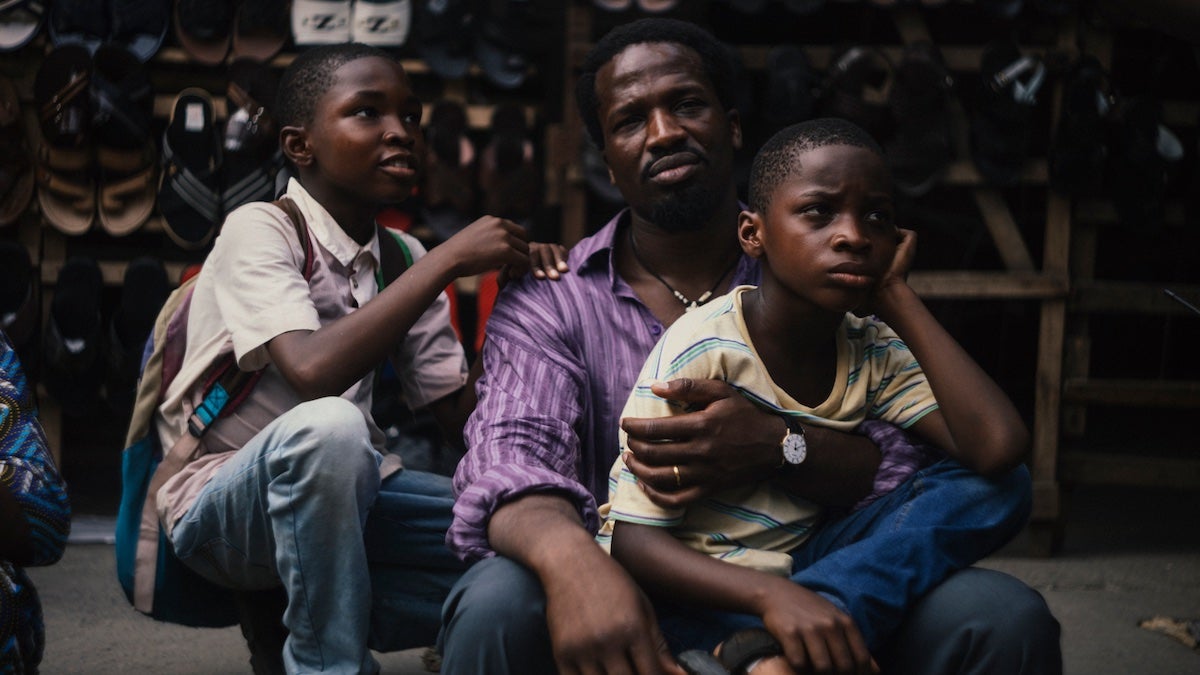
Photo: TheWrap
Ehen, so we all know say Nollywood don produce plenty films wey talk about our political wahala for Nigeria, but My Father's Shadow don take a different approach entirely. Instead of showing us the usual big men in agbada plotting inside Aso Rock, this film dey look at how our political chaos dey affect the small pikin dem wey dey just try to understand the world around them.
Director Akinola Davies Jr. and his team no just wake up one morning decide to make this film o. The story born from the reality wey plenty Nigerian children dey face - watching their country tear apart while dem still dey try figure out wetin dey happen. As Davies talk am, "For us, it was really important to contextualize Nigeria from the point-of-view of children, because it's completely imperfect, but it is all we have."
When Politics Becomes Personal for Nigerian Children
You know how e dey be for Nigeria - one day everything go dey normal, next day, election violence don scatter everything. One day your papa dey go work, next day, ethnic crisis don make am lose everything. These kind situations no dey spare children, and na this reality wey My Father's Shadow dey explore.
The film dey show us say when adults dey busy fighting political battles, na the children dey bear the real cost. From the Biafran War to the military coups, from communal clashes to election violence, Nigerian children don witness am all. But their stories hardly dey get told for our films.
The Weight of Inherited Trauma
One thing wey strike me about this film na how e dey tackle the issue of inherited trauma. Many Nigerian children dey grow up with stories of political upheaval wey their parents experience. Some dey hear about how their grandfather disappear during the civil war. Others dey live with the fear wey their parents carry from military regime days.
My Father's Shadow dey show us say these experiences no just stay with the people wey experience am directly. Dem dey pass from father to son, from mother to daughter, shaping how the next generation dey see Nigeria and their place inside am.
Finding Hope in Imperfect Nigeria
But the beautiful thing about Davies' approach na say e no just dey show us the pain. E dey also show us the resilience wey Nigerian children dey demonstrate. Despite all the political wahala, despite the loss and the trauma, these children still dey find ways to hope, to dream, to believe say Nigeria fit be better.
This kind storytelling dey important pass because e dey remind us say our political leaders no be the only people wey get stake for this country. The children wey dey watch everything happen - na dem go inherit whatever we leave behind.
Why Children's Perspectives Matter for National Healing
When we talk about national reconciliation and healing for Nigeria, we usually dey focus on the adults - the politicians, the community leaders, the religious heads. But My Father's Shadow dey remind us say if we really want lasting peace, we must consider how our political actions dey affect the children.
These small ones no get political party membership. Dem no dey vote yet. But dem dey absorb everything - the hatred, the fear, the division. And if we no address these things, dem go carry am enter the future, and the cycle go continue.
Lessons for Nollywood and Nigerian Storytelling
This film dey set example for other Nigerian filmmakers. Instead of always focusing on the big politicians and their power games, maybe we need more stories wey show the human cost of our political choices. Stories wey show how ordinary Nigerians - especially the children - dey survive and thrive despite everything.
Davies and his team don show us say you fit tell serious political stories without making dem boring or preachy. By using children as the lens, dem don make the political personal, and the historical immediate.
As we dey face another election cycle and all the usual political drama wey dey follow am, My Father's Shadow dey remind us to consider the children wey dey watch. Wetin kind of Nigeria we dey build for them? Wetin kind of stories dem go tell about us tomorrow?
For the end, Davies talk am well: Nigeria dey imperfect, but na all we get. The question na - how we go make am better for the next generation? And My Father's Shadow dey suggest say maybe the answer dey start with listening to the children and understanding how our political choices dey shape their world.
This film no be just entertainment o - na mirror wey dey show us who we be and who we fit become. And sometimes, na through the eyes of children wey we fit see the truth pass clearly.
Comments
Post a Comment