

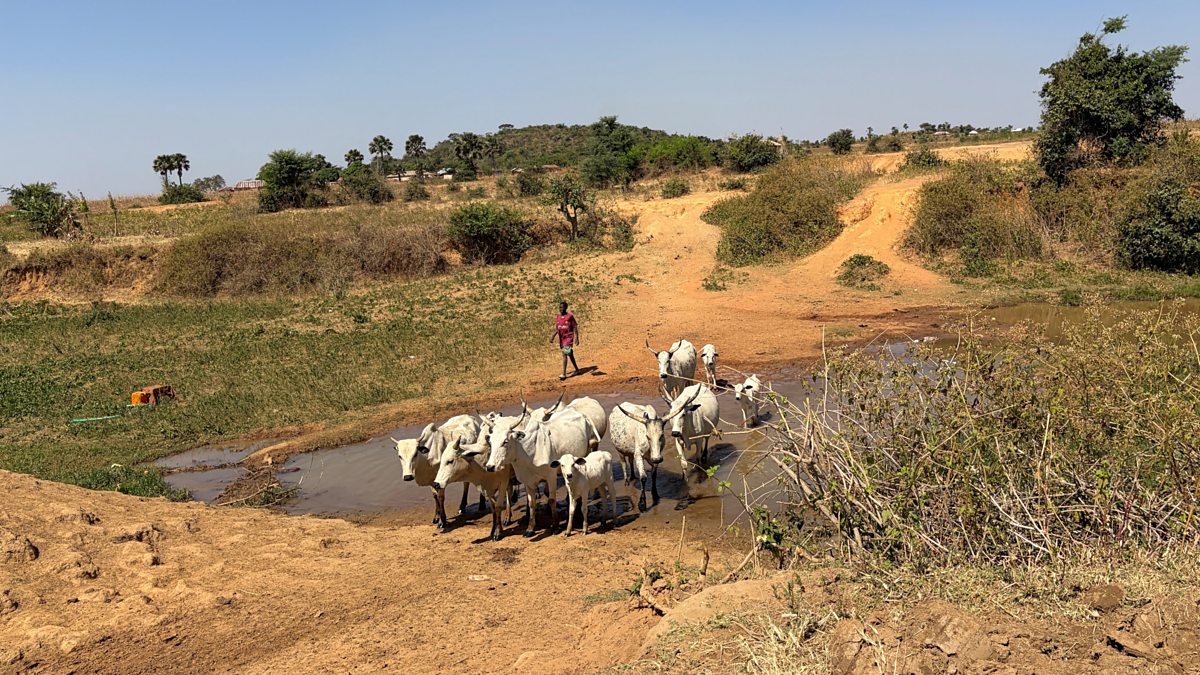
Photo: BBC News
Imagine waking up on Christmas Day to news that America just launched missile strikes on Nigerian soil. Not in some movie or video game, but in real life, in our own backyard. That's exactly what happened, and as expected, the reactions have been... let's just say mixed.
The Christmas Day That Changed Everything
On December 25th, 2024, the United States carried out targeted missile strikes against suspected Islamist militants in Nigeria. President Trump justified these actions by claiming he was protecting Christians from what he termed a "Christian genocide" happening in our country. Now, before we dive deeper, let's pause and unpack this wahala properly.
The strikes reportedly targeted areas where militant groups have been active, particularly in regions plagued by the ongoing farmer-herder conflicts. But here's where things get complicated - and very Nigerian.
Our People Are Not Happy, And We Get It
Walk into any Nigerian gathering right now, from the local barbing salon to high-level government offices, and you'll hear the same sentiment echoing: "Who gave America permission to play police in our country?"
Senator Shehu Buba from Bauchi State didn't mince words when he called it a violation of Nigeria's sovereignty. And honestly, can you blame him? It's one thing to receive international support or cooperation; it's another thing entirely for a foreign power to unilaterally decide to conduct military operations on your soil.
Dr. Amina Hassan, a political analyst at the University of Lagos, put it perfectly: "This sets a dangerous precedent. Today it's missile strikes against militants, tomorrow it could be anything they deem a threat to their interests."
The Real Story Behind The Headlines
Now, let's address the elephant in the room - this talk of "Christian genocide." While Nigeria indeed faces serious security challenges, including religious tensions and farmer-herder conflicts, many experts argue that framing it as a systematic genocide oversimplifies a complex situation.
The farmer-herder crisis has multiple layers:
- Competition for land and water resources due to climate change
- Population growth putting pressure on available farmland
- Poor governance and inadequate conflict resolution mechanisms
- Criminal elements exploiting existing tensions
- Historical grievances between different communities
Yes, there have been tragic losses of life, and some incidents have had religious undertones. But calling it genocide? That's where many Nigerians, including Christian leaders, disagree with the international narrative.
What This Means For Nigeria's Future
The implications of these strikes go far beyond the immediate military action. We're looking at:
Sovereignty Concerns: If we allow foreign powers to conduct military operations on our soil without proper consultation, where do we draw the line? What message does this send to other nations about Nigeria's ability to handle its internal affairs?
Regional Relations: Other African nations are watching closely. If this becomes normalized, it could set a precedent for foreign intervention across the continent.
Internal Politics: The strikes have given ammunition to political opponents who argue that the current administration has failed to adequately address security challenges, leading to foreign intervention.
The Nigerian Response We Need
Instead of just complaining about American intervention, perhaps it's time we had an honest conversation about why we're in this situation in the first place. The farmer-herder conflicts didn't start yesterday, and they won't end with missile strikes.
What we need is:
- Better funding and equipment for our security forces
- Genuine dialogue between affected communities
- Land reform policies that address root causes of conflicts
- Economic opportunities for young people in affected regions
- Stronger institutions that can mediate disputes before they escalate
Moving Forward: Our Sovereignty, Our Responsibility
Look, nobody wants to see innocent lives lost, whether they're Christians, Muslims, or followers of traditional religions. But the solution to Nigeria's challenges must come from Nigerians, not from foreign missiles.
The international community can support us with intelligence, training, and resources. But conducting unilateral military strikes? That's crossing a line that we cannot allow to become normal.
As we debate this issue in our homes, offices, and online spaces, let's remember that our diversity is our strength, not our weakness. The conflicts we face are not insurmountable, but they require Nigerian solutions, Nigerian leadership, and Nigerian unity.
What do you think? Should we accept foreign military intervention if it means stopping violence, or should we insist on handling our problems ourselves, even if it takes longer? Drop your thoughts in the comments - this conversation affects all of us.
Comments
Post a Comment