

Photo: Thechronicle.com.gh
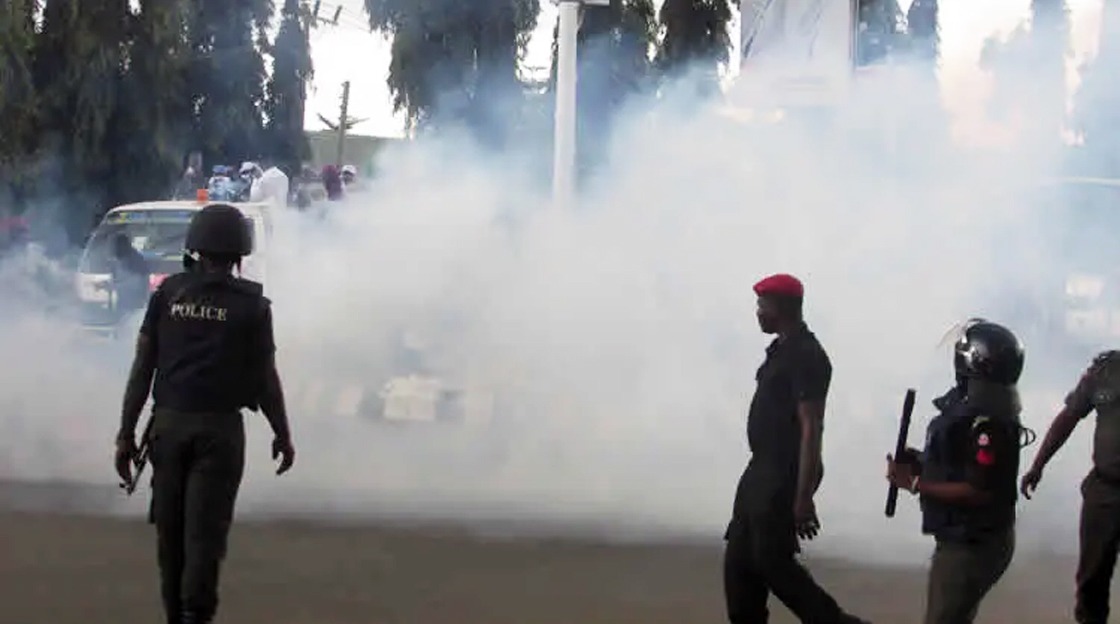
Another day, another demolition drama in Lagos State. But this time, the people said 'enough is enough' and marched straight to the Lagos State House of Assembly complex in Alausa. The response? Police tear gas. Because apparently, that's how we handle concerned citizens in Nigeria these days.
When Home Becomes History Overnight
Picture this: You wake up one morning, maybe you're rushing to get ready for work, and then you hear bulldozers outside your window. Before you can say 'good morning Nigeria,' your entire neighborhood is being flattened. This isn't some dystopian movie – this is the reality for many Lagosians who've watched their homes, businesses, and dreams crumble under government bulldozers.
The protesters who stormed the Assembly weren't troublemakers or political agitators. They were ordinary people – traders, artisans, families – whose lives have been turned upside down by these demolitions. When you've lost your home or your source of livelihood overnight, wouldn't you want answers too?
The Human Cost of 'Development'
Let's talk about what these demolitions really mean for everyday Lagosians. When the government says they're clearing 'illegal structures' or creating space for 'urban renewal,' they're not just removing buildings – they're displacing lives.
Take mama Kemi who's been selling akara and bread at the same spot for 15 years. Or Uncle Tunde whose mechanic workshop has been the family's source of income for two decades. These aren't just statistics; they're real people with real stories, real families to feed, and real bills to pay.
The ripple effect is massive:
- Children forced to change schools when families are relocated
- Small business owners losing their customer base overnight
- Elderly people separated from communities they've known for decades
- Increased homelessness and poverty rates
This Isn't Lagos' First Rodeo
If this demolition-protest cycle sounds familiar, that's because it is. Lagos has a long history of controversial demolitions that have sparked public outrage. Remember the Otodo Gbame waterfront demolition in 2016 that displaced over 30,000 people? Or the more recent Tarkwa Bay incident?
Each time, the story is the same: Government announces demolition for 'greater good,' people resist, protests happen, tear gas flies, and somehow the bulldozers keep rolling. It's like a broken record that just won't stop playing.
The pattern is so predictable, you could set your watch by it. What's frustrating is that these conflicts could often be avoided with proper consultation, adequate notice, and genuine resettlement plans.
The Trust Deficit Between Citizens and Government
When police officers respond to peaceful protesters with tear gas, it sends a clear message: 'Your concerns don't matter, and we won't listen.' This approach doesn't just disperse crowds – it disperses trust.
Lagos State prides itself on being the 'Centre of Excellence,' but excellence should include excellent citizen engagement, not excellent crowd control tactics. When people feel unheard, they become more desperate, more angry, and more likely to view their government as the enemy rather than a partner in development.
The irony is that many of these protesters probably voted for the same government that's now teargassing them. That's a special kind of heartbreak – being betrayed by the people you trusted with your future.
What This Means for Lagos' Future
This latest incident is more than just another news story – it's a symptom of a deeper problem in how Lagos State relates to its people. The mega-city dream is beautiful on paper, but it becomes a nightmare when it's built on the graves of people's livelihoods.
Here's what needs to change:
- Genuine Consultation: Involve communities in planning processes, not just inform them of decisions already made
- Fair Compensation: Provide adequate compensation that actually helps people rebuild their lives
- Phased Implementation: Give people time to adjust and relocate properly
- Alternative Solutions: Explore options beyond total demolition
The Way Forward: Building Bridges, Not Just Roads
Development shouldn't be a zero-sum game where government wins and citizens lose. The best cities in the world are those that grow with their people, not in spite of them.
Lagos has the potential to be a world-class megacity, but it can't get there by steamrolling its own people. The energy that these protesters brought to the Assembly complex could be channeled into productive dialogue if only there was political will to listen.
Instead of tear gas, how about town halls? Instead of bulldozers at dawn, how about proper notice and consultation? Instead of treating citizens like obstacles to development, how about seeing them as partners in progress?
The next time Lagosians feel the need to storm government buildings, maybe it won't be to protest demolitions but to celebrate inclusive development that works for everyone. Now, that would be a Lagos we can all be proud of.
What do you think? Should protesters have a right to be heard without facing tear gas, or is the government justified in its approach to maintaining order during development projects?
Comments
Post a Comment