

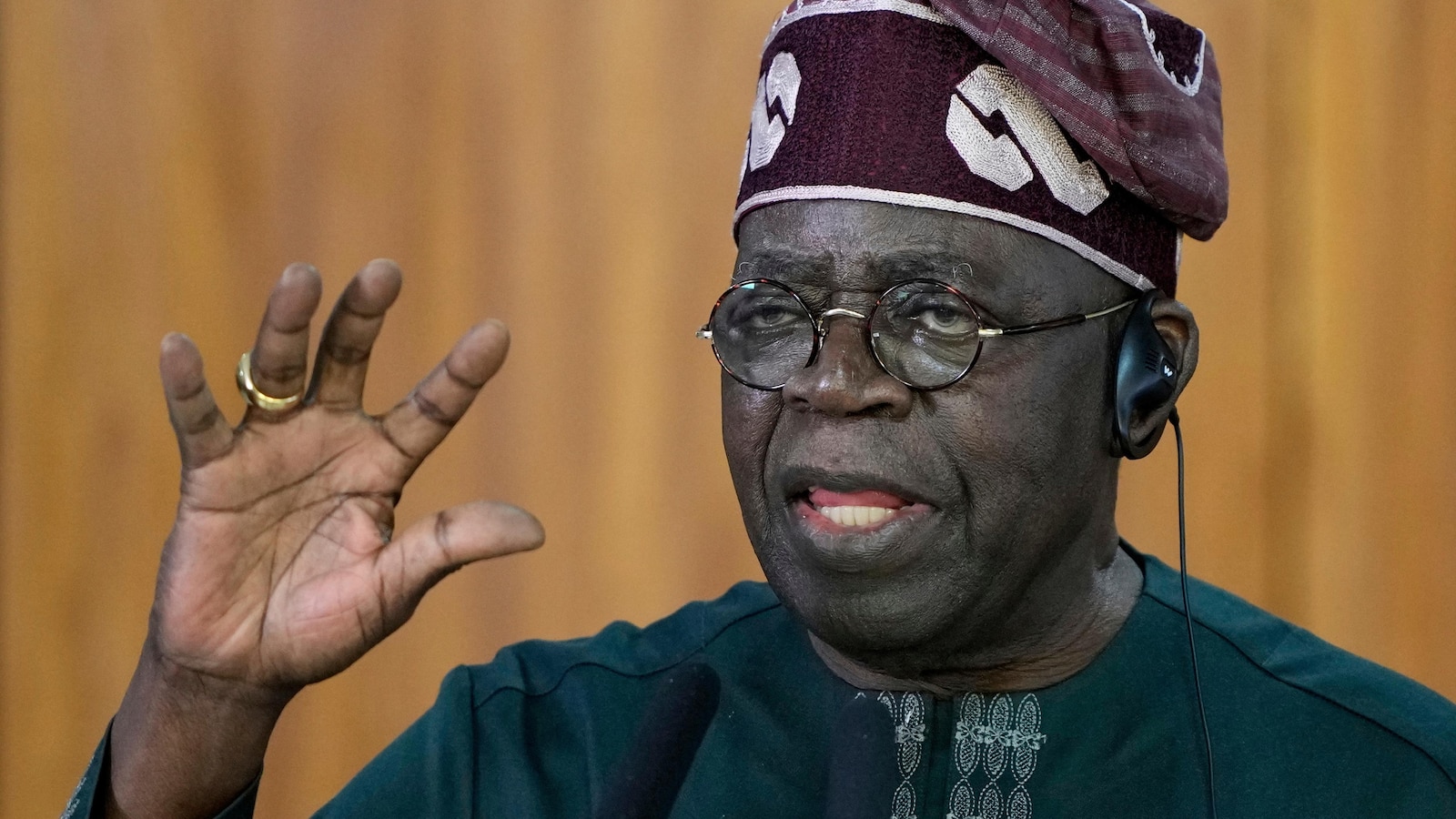
Photo: ABC News
Na wa o! Another day, another coup plot story in Nigeria. The Nigerian military has just announced that several of their own officers will face trial for allegedly plotting to overthrow the government. As a Nigerian, this news probably made you pause and think, 'Not again!'
What Actually Happened?
According to official statements from the Nigerian Armed Forces, multiple military officers are being investigated and will soon face court martial proceedings for allegedly conspiring to destabilize the democratic government. While the exact details remain sketchy, the military authorities are taking this matter seriously enough to pursue formal charges.
The timing of this revelation is particularly interesting, coming at a period when many Nigerians are already expressing frustration with various government policies and economic challenges.
Nigerians React: Social Media Goes Wild
As expected, Nigerian Twitter (sorry, X) has been buzzing with reactions. The responses have been mixed, to say the least:
- The Skeptics: Many Nigerians are questioning the timing and authenticity of these allegations. Some wonder if this is a distraction from other pressing national issues.
- The Democracy Defenders: A significant number of citizens are applauding the military leadership for exposing and addressing the alleged plot, seeing it as a commitment to democratic values.
- The Historically Minded: Older Nigerians and history enthusiasts are sharing memories of past military interventions, reminding everyone why civilian rule should be protected.
- The Comedians: Because this is Nigeria, memes and jokes about the situation are already making rounds, with some people asking, 'Coup for this economy? Abeg, make them face front!'
A Quick History Lesson: Nigeria and Military Coups
Let's be honest - Nigeria and military coups have a long, complicated history. From 1966 to 1999, we experienced multiple military takeovers that shaped our political landscape:
- The 1966 coups that ended the First Republic
- Various military regimes including those of Gowon, Murtala/Obasanjo, Buhari, Babangida, and Abacha
- Several failed coup attempts throughout these periods
The return to civilian rule in 1999 marked a significant milestone, and since then, Nigeria has maintained democratic governance despite various challenges. This is why any hint of military intervention sends shockwaves through the system.
What This Means for Nigerian Democracy
The fact that these allegations have surfaced raises several important questions for our democracy:
Institutional Strength: The military's decision to prosecute its own officers rather than cover up the alleged plot suggests that democratic institutions are working. This is encouraging news for those who believe in civilian oversight of the armed forces.
Democratic Maturity: Nigeria's ability to address coup plots through legal channels rather than violence or instability shows growth in our democratic processes.
Warning Signs: However, the mere existence of such plots indicates that some elements within the military may still view intervention as a viable option when they're dissatisfied with civilian leadership.
The Economic Factor
Let's address the elephant in the room - Nigeria's current economic challenges. With rising inflation, fuel subsidy removal effects, and general hardship affecting millions of citizens, it's not entirely surprising that some might see military intervention as a 'solution.'
However, history has taught us that military rule rarely solves economic problems. In fact, many of our current challenges can be traced back to policies and corruption from previous military eras.
International Implications
Nigeria's position as the 'Giant of Africa' means that any threat to our democratic stability sends ripples across the continent. Recent coups in Mali, Burkina Faso, and Niger have already put the international community on edge about West African democracy.
A successful coup in Nigeria would likely have devastating effects on regional stability and international confidence in African governance.
What Should Nigerians Expect?
As this story develops, here's what to watch out for:
- Transparency in the trial proceedings
- Clear evidence presented to support the allegations
- Government's response to underlying grievances that may have motivated the alleged plot
- Continued commitment to democratic processes
Moving Forward: Lessons for Nigeria
This incident, whether you believe it's legitimate or not, offers valuable lessons for our nation:
Democratic Vigilance: Citizens must remain actively engaged in democratic processes, holding leaders accountable through votes and peaceful advocacy rather than supporting military interventions.
Address Root Causes: Government must address the economic and social issues that create conditions where coup plots can gain sympathy among citizens.
Strengthen Institutions: Our democratic institutions need continuous strengthening to resist both internal and external threats.
The bottom line? Nigeria has come too far in its democratic journey to allow setbacks. While it's natural to feel frustrated with current challenges, the solution lies in better governance, not military intervention. As we say in Nigeria, 'Na small small we dey build nation.'
What are your thoughts on this development? Do you think these allegations are genuine, or is there more to the story? Whatever your opinion, let's keep the conversation focused on strengthening our democracy, not undermining it.
Comments
Post a Comment