

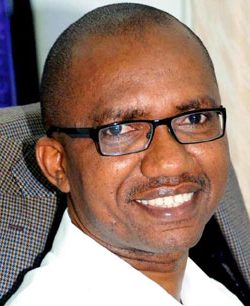
Photo: Vanguard
My people, something happened recently that made me sit down and think am. Kenyan President William Ruto, while chilling in Italy, decided to throw some serious shade at Nigeria and Nigerians. The way he talked, you'd think we were some bush people who couldn't speak proper English. But the real question is: what does this reveal about how the world sees us?
The Shade That Shook Twitter
Ruto's comments weren't just casual banter - they were calculated jabs that showed how some of our African brothers view Nigeria's international standing. When a fellow African leader feels comfortable enough to mock us publicly, we need to ask ourselves some hard questions. Are we commanding the respect we deserve on the global stage?
The irony was thick like palm wine, my people. Here was Ruto, speaking from Italy - a country that probably sees both Kenya and Nigeria as 'those African countries' - deciding to play the superior one. It's like two people fighting over who gets to sit at the children's table when neither has been invited to the main dining room.
Nigeria's International Image Problem
Let's keep it real for a moment. Ruto's boldness to diss us publicly tells us something about Nigeria's diplomatic soft power - or lack thereof. Despite being Africa's largest economy and most populous nation, we're still not getting the respect we deserve internationally.
Think about it: would any world leader feel comfortable publicly mocking the United States or China? Of course not! But somehow, dissing Nigeria feels safe for some people. This should worry us as a nation because it reveals gaps in our diplomatic influence and international standing.
Our foreign policy under different administrations has sometimes lacked the teeth needed to command global respect. We have the resources, the population, and the economic power, but we're not translating these into diplomatic leverage effectively.
The English Language Controversy
Ruto's comments about Nigerian English were particularly telling. This man was essentially saying we don't speak 'proper' English - as if there's one correct way to speak a colonial language! The audacity was off the charts.
But here's the thing: Nigerian English is rich, expressive, and perfectly valid. We've made English our own, just like Americans, Australians, and Indians have done. Our 'unconventional' English has produced world-renowned authors like Chinua Achebe, Wole Soyinka, and Chimamanda Ngozi Adichie. Where are Kenya's Nobel Prize winners in literature?
The real issue isn't about language - it's about respect. When you don't respect a nation's contribution to global culture and civilization, you mock their language. Simple as that.
Lessons for Nigeria's Leadership
President Bola Tinubu and his diplomatic team need to take notes from this incident. Nigeria's international reputation requires active management and strategic positioning. We can't just assume that our size and resources automatically command respect.
Here are some areas where Nigeria needs to step up:
- Strengthen diplomatic relations with fellow African nations through real partnership, not just rhetoric
- Invest more in cultural diplomacy and soft power projection
- Address domestic issues that damage our international image, like corruption and insecurity
- Build stronger economic partnerships that make other nations think twice before disrespecting us
- Develop a more assertive foreign policy that protects Nigeria's dignity
The Bigger Picture
This Ruto-Nigeria saga is bigger than just one president's comments. It reflects the broader challenge of African unity and mutual respect. How can we preach African integration when African leaders are busy throwing shade at each other?
Kenya and Nigeria should be natural allies, working together to advance African interests globally. Instead, we're seeing petty rivalries and disrespect. This kind of behavior only benefits the Western powers who prefer to see Africa divided.
The truth is, both Nigeria and Kenya face similar challenges: corruption, youth unemployment, infrastructure deficits, and the need for economic diversification. Instead of mocking each other, we should be learning from each other.
Moving Forward
As Nigerians, this incident should serve as a wake-up call. We need to demand better from our leaders in terms of international positioning and diplomatic strategy. Our government must work harder to ensure that Nigeria commands the respect it deserves on the global stage.
At the same time, we shouldn't let anyone - whether Kenyan president or not - make us feel inferior about our identity, our English, or our way of doing things. Nigeria has contributed significantly to global culture, peacekeeping, and economic development in Africa.
The next time someone wants to throw shade at Nigeria, they should remember that we've been holding it down for Africa long before it became fashionable. Our entertainment industry influences the entire continent, our diaspora is making waves globally, and our resilience inspires nations worldwide.
Ruto's comments might have been meant as a joke, but they've revealed something important about the respect deficit Nigeria faces internationally. It's time for our leaders to address this seriously. After all, respect isn't given - it's earned and commanded.
Comments
Post a Comment