

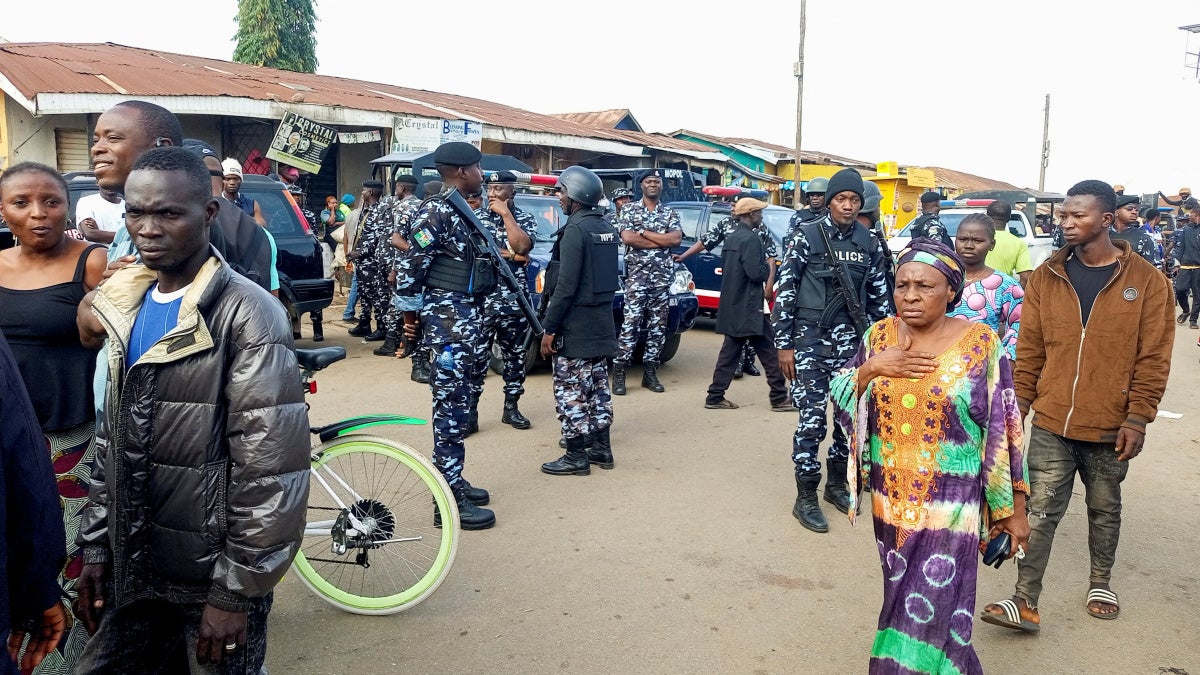
Photo: Human Rights Watch
Another Dawn of Sorrow in Jos
Once again, our people in Jos woke up to heartbreak. The overnight attack in Angwan Rukuba, Jos North, has left families shattered and a community asking the same question we've been asking for years: when will this madness stop?
As police officers arrived at the scene that morning, the sight was all too familiar – grieving families, destroyed property, and the heavy silence that follows such senseless violence. This is not just another news story; this is about real people whose lives were cut short while they slept in what should have been the safety of their homes.
The Community Bears the Weight
You know, when we talk about insecurity in Nigeria, sometimes it feels like we're just throwing around statistics. But for the people of Angwan Rukuba, this is their reality. Children who witnessed the attack will carry these scars for life. Breadwinners lost, dreams destroyed, families scattered to the wind.
Mrs. Sarah Ahmed, a trader in the area, told reporters through tears: "We can't sleep with our two eyes closed anymore. Every sound at night makes us jump. How can we live like this?" Her words echo what millions of Nigerians feel daily – that persistent fear that has become our unwanted companion.
The economic impact hits hard too. When attacks like this happen, businesses shut down, markets empty, and people flee. The local economy suffers, and it takes months, sometimes years, to recover. Small business owners lose everything they've worked for, and the cycle of poverty deepens.
Government Response: The Same Old Story?
After every attack, we hear the familiar chorus from government officials. Condemnations, promises of investigations, assurances that "this will never happen again." Governor Caleb Mutfwang of Plateau State has condemned the attack and promised to strengthen security. We've heard these promises before, but the attacks keep coming.
President Bola Tinubu's administration has positioned security as a top priority, but residents of Jos and other flashpoint areas are asking: where are the results? The military presence increases temporarily after each incident, then gradually reduces, leaving communities vulnerable again.
Security expert Dr. Kemi Okenyodo pointed out a critical issue: "We keep reacting to attacks instead of preventing them. Our security strategy needs a complete overhaul – from intelligence gathering to community policing and addressing root causes."
The Human Cost We Cannot Ignore
Behind every security report is a human story. Children orphaned, parents burying their young ones, survivors dealing with trauma. The psychological impact on these communities cannot be quantified in naira and kobo.
Local religious leaders have been working overtime to provide counseling and support, but they're overwhelmed. Father Marcus Bulus from a nearby church said: "We're doing our best to heal hearts, but these attacks keep reopening wounds. Our people need more than prayers – they need genuine security."
Healthcare facilities in the area are also stretched thin, treating victims with limited resources. The ripple effects touch every aspect of community life.
What Ordinary Nigerians Are Saying
On social media and in market squares across the country, Nigerians are expressing frustration with the persistent insecurity. The hashtag #EnoughIsEnough has been trending, with citizens demanding concrete action, not just statements.
"We're tired of being sitting ducks," wrote Twitter user @JosResident247. "Every night we go to bed wondering if we'll wake up. This is not the Nigeria we deserve."
Many are calling for:
- Better intelligence gathering and early warning systems
- Community-based security initiatives
- Addressing underlying economic and social issues that fuel conflicts
- Accountability for security officials who fail in their duties
- Support for victims and affected communities
A Call for Real Change
The attack in Angwan Rukuba is not an isolated incident – it's part of a troubling pattern affecting communities across Nigeria. From Benue to Kaduna, from Niger to Zamfara, our people are crying for help.
We need security strategies that go beyond military responses. Community engagement, addressing root causes of conflicts, improving economic opportunities, and ensuring justice for victims – these must be part of the solution.
As we mourn with the families in Jos, let's not allow this to become just another statistic. Every life lost is precious, every family shattered matters, every community living in fear deserves better.
The question remains: when will our leaders move beyond condemnations to concrete, sustained action? When will communities like Angwan Rukuba sleep peacefully again? The answers lie in our collective will to demand and create change.
Nigeria deserves better. Our communities deserve to thrive without fear. It's time for real solutions, not just sympathy statements.
Comments
Post a Comment