

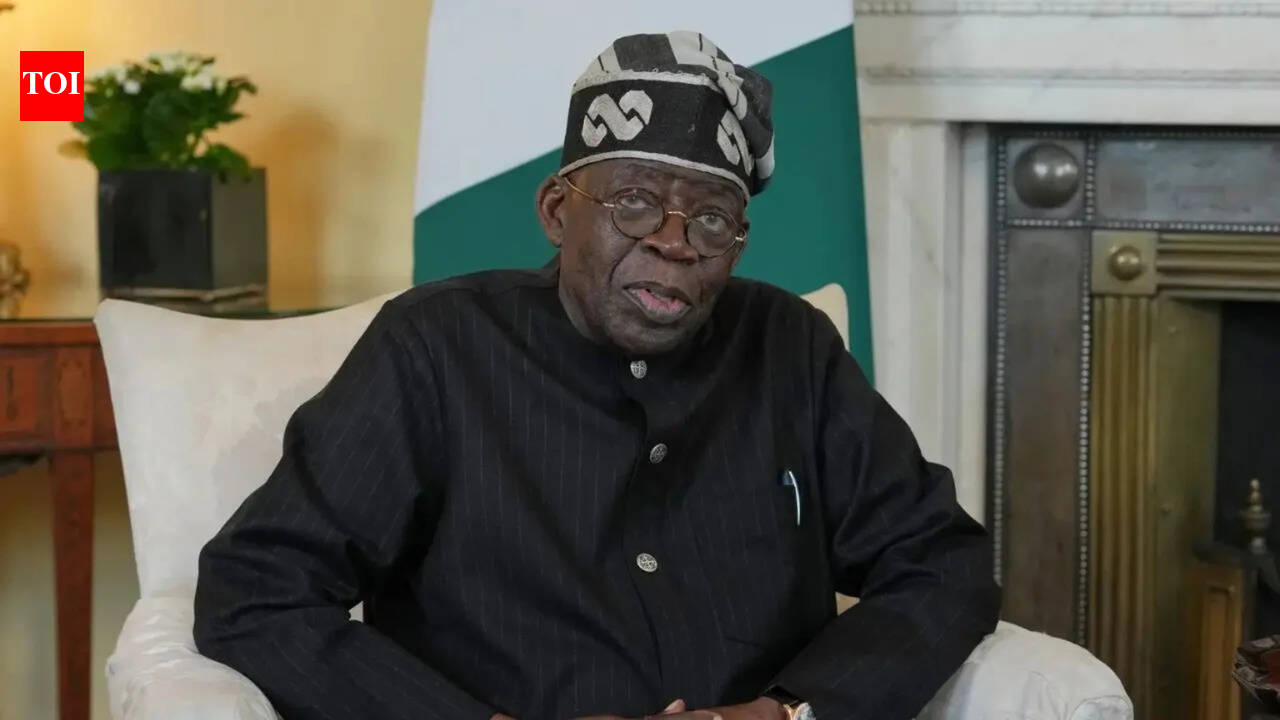
Photo: The Times of India
The Drama Unfolds in Court
Na wah o! The Federal High Court in Abuja witnessed serious drama yesterday as six individuals accused of attempting to overthrow President Bola Tinubu's government boldly entered not guilty pleas to charges of treason and terrorism. The atmosphere was tense as the accused persons, who allegedly plotted to destabilize our nascent democracy, stood before Justice Emeka Nwite to face the music.
The charges against these individuals are no joke at all. We're talking about treasonable felony and terrorism – offenses that carry serious jail time if proven. The fact that they pleaded not guilty means we're in for a long legal battle that could test the very foundations of our judicial system.
What These Charges Really Mean
For those wondering what treason actually means in Nigerian law, let me break it down. Under our Criminal Code, treason is defined as any act intended to overthrow the government by force or violence. It's one of the most serious crimes you can commit against the state, and the penalties are severe – we're talking life imprisonment or even death in extreme cases.
The terrorism charges add another layer of complexity. Nigeria's Terrorism Prevention Act of 2011 (amended in 2013) makes it clear that anyone who commits or threatens to commit acts of terrorism can face up to 20 years in prison. When you combine treason with terrorism charges, you're looking at some of the heaviest penalties our legal system can dish out.
Democracy on Trial
This case is bigger than just six individuals facing charges. It's a test of how strong our democratic institutions have become since 1999. Remember, Nigeria has a history of military coups – from 1966 to 1999, we experienced multiple military interventions that disrupted our political development.
The fact that President Tinubu's administration is taking these alleged coup plots seriously sends a strong message: democratic governance is here to stay, and any attempt to undermine it through unconstitutional means will face the full wrath of the law.
But here's the thing – while we must protect our democracy, we also need to ensure that due process is followed. The accused persons have the right to fair trial, proper legal representation, and the presumption of innocence until proven guilty. This is what separates democratic governance from military dictatorship.
Political Stability Under Pressure
President Tinubu's administration has been grappling with various challenges since taking office. From economic hardships to security issues across the country, there's no shortage of problems that could create political instability. These alleged coup plots, if true, suggest that some individuals believe extra-constitutional means are the solution to Nigeria's problems.
However, history has taught us that military interventions rarely solve the fundamental issues facing our country. Instead, they often create more problems and set back our development by decades. The fact that our security agencies uncovered these alleged plots before they could be executed shows that our intelligence gathering has improved significantly.
The Legal Battle Ahead
With the case adjourned until April 27 for bail applications, we're looking at a potentially lengthy legal process. The defense team will likely argue that their clients are innocent of the charges and may challenge the evidence presented by the prosecution.
The prosecution, on the other hand, will need to prove beyond reasonable doubt that these individuals actually planned to overthrow the government. This isn't going to be easy, especially if the evidence is largely based on intelligence reports and surveillance.
What makes this case particularly interesting is that it will test our judicial independence. Can our courts handle such a politically sensitive case without external interference? Will justice be served regardless of political considerations?
Lessons for Our Democracy
This case serves as a reminder that democracy requires constant vigilance. We cannot take our democratic gains for granted. Every citizen has a role to play in protecting our constitutional order – from speaking out against injustice to participating actively in the political process.
At the same time, the government must address the underlying issues that make some people think coups are necessary. Poverty, unemployment, insecurity, and corruption are real problems that need real solutions. If people feel that democratic governance isn't delivering the goods, some might be tempted to support unconstitutional alternatives.
Moving Forward
As we await the next court hearing on April 27, all eyes will be on how this case unfolds. Will the accused persons get bail? What evidence will the prosecution present? How will the defense respond?
One thing is certain – this case will be closely watched both within Nigeria and internationally. It's a test of our commitment to the rule of law and democratic governance. Let's hope that justice will prevail, and our democracy will emerge stronger from this challenge.
The bottom line is simple: anyone who thinks they can overthrow our democratically elected government through illegal means should think again. The law is the law, and it must be respected by all citizens regardless of their political affiliations or personal ambitions.
Comments
Post a Comment