
How Smart Cameras At West African Borders Dey Affect Naija Travelers
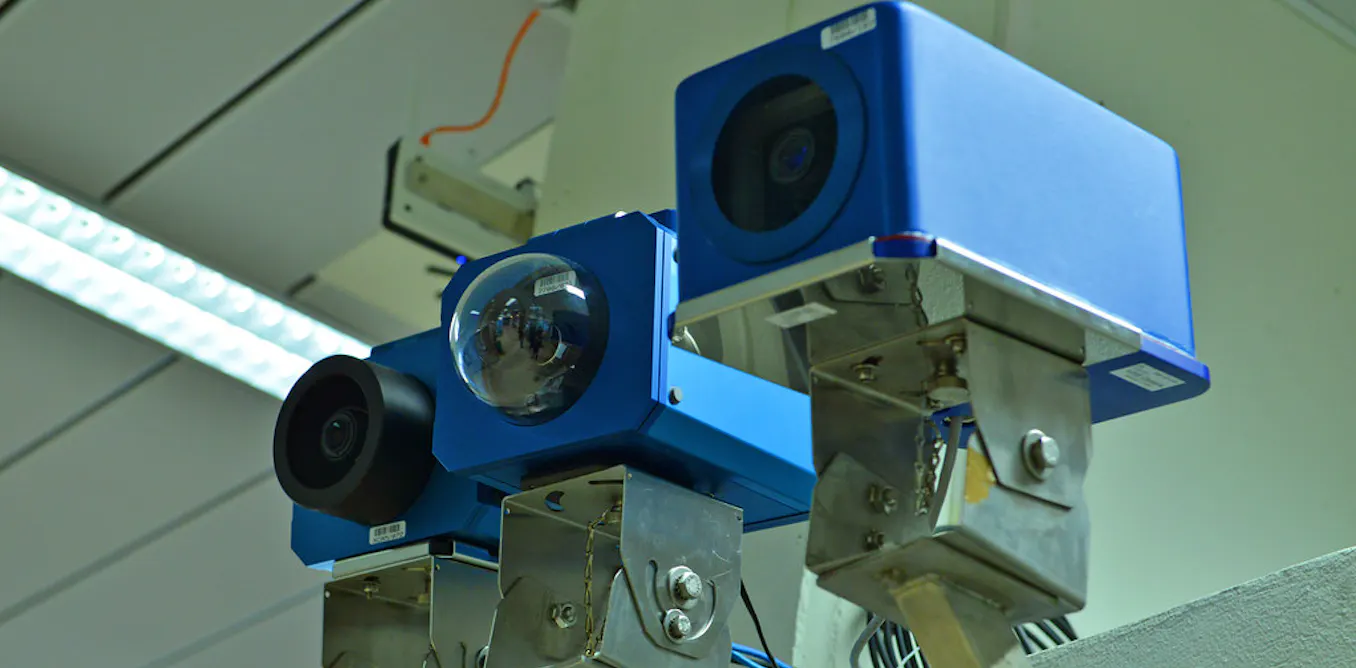
Photo: The Conversation Africa
The New Digital Border Reality for Nigerian Travelers
If you've traveled across West Africa recently, you don notice say something don change for border checkpoints. Those old-style manual checks wey we dey used to don upgrade to something wey look like scene from sci-fi movie. AI cameras dey scan faces, machines dey read fingerprints, and computer systems dey analyze every movement. For Nigerian travelers wey dey hustle across ECOWAS borders, this new reality dey bring both hope and wahala.
The truth be say, these smart border systems don land West Africa big time. Countries like Ghana, Senegal, and Côte d'Ivoire don already start to deploy these technologies, while Nigeria sef dey plan her own upgrades. But wetin this mean for the average Nigerian wey just wan cross border go do business or visit family?
The Good Side: Faster Processing and Better Security
Make we talk the good news first. These AI systems fit actually make border crossing smoother for law-abiding Nigerian travelers. Instead of spending hours for queue under hot sun, the biometric systems fit identify you within minutes. Your passport details, travel history, and even security clearances fit dey available instantly.
For legitimate Nigerian businesspeople wey dey travel frequently between Lagos and Accra, or Kano and Niamey, this technology fit be game-changer. No more long waits, no more missing important meetings because of border delays. The system fit even detect fake documents faster, which means less time wasted on fraudulent travelers ahead of you for the queue.
The Wahala: Privacy Concerns and Discrimination Risks
But as we say for Naija, every good thing get her own wahala. These same systems wey suppose make life easier fit become nightmare for some Nigerian travelers. The biggest concern na privacy - these machines dey collect plenty personal data about every traveler, and we no sure how dem dey use this information.
Think about am - every time you cross border, the system dey record your face, fingerprints, where you dey go, who you dey meet, how long you stay. All this data fit end up for wrong hands or be used against you later. For country like Nigeria where government surveillance don already be issue of concern, this kind border monitoring fit make things worse.
Another serious problem na the risk of discrimination. AI systems dey learn from historical data, and if that data get bias, the system go inherit the same bias. This means say certain profiles of Nigerian travelers - maybe based on their state of origin, appearance, or travel patterns - fit automatically flag as 'high risk' even when dem no do anything wrong.
Real Impact on Nigerian Migrants and Workers
For Nigerian migrants wey dey work across West Africa, these new systems fit create serious barriers. Many of our people dey work for informal sectors - from Hausa traders for Ghana markets to Yoruba artisans for Côte d'Ivoire. These AI systems fit not understand the traditional migration patterns wey don dey exist for centuries.
Imagine say you be trader from Katsina wey dey travel regularly to Niger Republic. The AI system fit flag your frequent border crossings as suspicious, even though na legitimate business you dey do. Or if you be young Nigerian graduate wey dey look for work opportunities across the region, the system fit profile you as potential illegal migrant.
The discrimination fit even affect where Nigerian travelers fit go. Some of these AI systems dey use predictive analytics to determine visa approvals or entry permissions. If the algorithm decide say Nigerians from certain backgrounds get higher risk profile, e fit become harder for our people to travel freely within the ECOWAS region.
The ECOWAS Free Movement Promise Under Threat
One of the biggest concerns be how these AI border systems fit undermine the ECOWAS protocol on free movement of persons. This protocol suppose allow Nigerian citizens move freely within West Africa for up to 90 days without visa. But if AI systems dey create new barriers or make certain travelers unwelcome, the spirit of regional integration fit suffer.
E dey particularly painful when you realize say many of these AI systems na foreign companies dey provide am. So na oyibo people dey determine how Africans fit move within their own continent. This kind digital colonialism fit create new forms of control over African movement and economic activities.
Wetin Nigerian Travelers Fit Do
For now, Nigerian travelers need to dey prepared for this new reality. Make sure say your travel documents dey always complete and up to date. Understand your rights when crossing borders, and know the contact details of Nigerian diplomatic missions for emergencies.
Most importantly, we need to demand transparency from our government about these AI border systems. Which companies dey provide the technology? How dem dey protect our data? Wetin be the appeals process if the system wrongly flag you?
As these AI border systems continue to spread across West Africa, e important say we balance security needs with the fundamental rights of Nigerian citizens to move freely and conduct legitimate business across the region. The technology fit be tool for progress or instrument of oppression - the choice na for the hands of those wey dey implement am.

0 Comments