

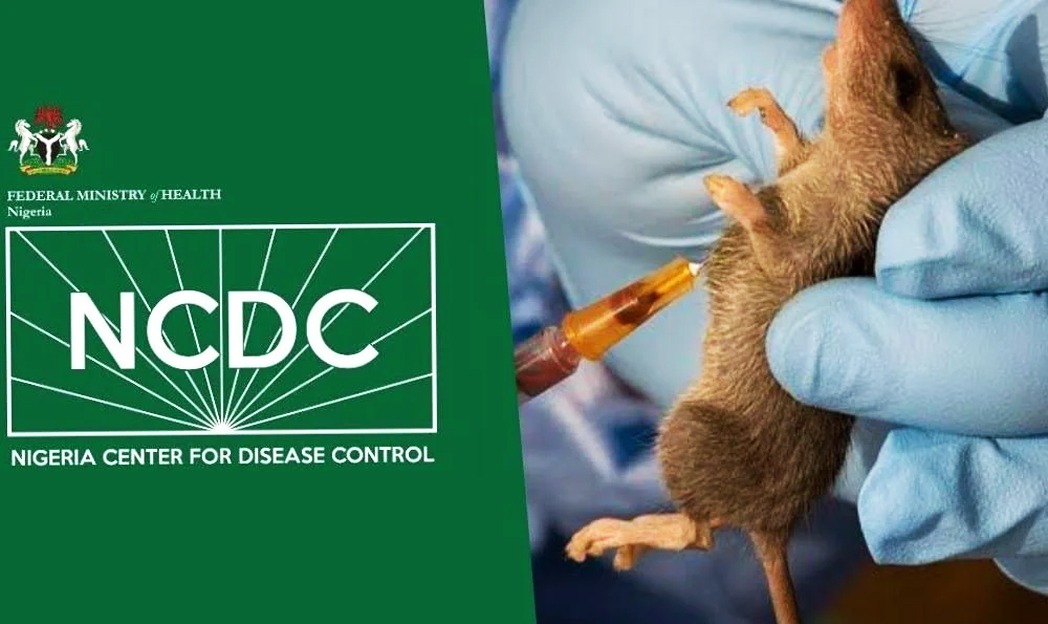
Photo: Thechronicle.com.gh
E Don Start Again: NCDC Reports Fresh Lassa Fever Cases Across Nigeria
Nigerians, we need to talk. The Nigeria Centre for Disease Control and Prevention (NCDC) has just released its Week 33 situation report, and the news is not something you want to scroll past. Fourteen new Lassa fever cases have been confirmed, pushing the cumulative total past the 1,000 mark for the year. Yes, you read that right — over one thousand cases. This thing is not joking, and neither should we.
Now, before you start panicking and calling your village people to blame, let us break this down calmly and practically. Lassa fever has been a recurring nightmare in Nigeria for decades, but the good news is that it is preventable. The bad news? Too many Nigerians still don't take it seriously enough. Let us change that today.
Which States Are Currently Affected? Know If Your Area Is at Risk
This is the part that matters most to you, abi? According to the NCDC's data, Lassa fever cases have historically been concentrated in Nigeria's high-burden states, and the current outbreak is following that familiar pattern. The states that have consistently reported cases include:
- Ondo State — This state remains the hotspot, no be today. Ondo accounts for a significant chunk of Nigeria's annual Lassa fever burden, particularly in communities around Owo and surrounding local government areas.
- Edo State — Another perennial high-risk zone. If you live in Edo or you have family there, abeg take this seriously.
- Bauchi State — Northern Nigeria is not left out. Bauchi has been reporting cases consistently and deserves more public attention.
- Taraba State — Another northern state that regularly appears in NCDC reports.
- Ebonyi State — The South-East is also not spared. Ebonyi has been recording cases, and residents need to stay vigilant.
Beyond these states, the NCDC has recorded cases in over 28 states at various points during the year, which means no Nigerian should feel completely immune to the risk. Whether you are in Lagos hustling or in Kano doing business, awareness is your first line of defense.
So Wetin Be Lassa Fever Sef? Let Us Remind You
Lassa fever is a viral hemorrhagic fever caused by the Lassa virus. The primary carrier is the multimammate rat — that common rat you see running around your kitchen, compound, and market. When infected rats urinate or defecate on food, surfaces, or items in your home, and you come into contact with those contaminated materials, you are at risk. Human-to-human transmission is also possible, particularly in healthcare settings where protective measures are not properly followed.
Symptoms include fever, weakness, headache, sore throat, muscle pain, chest pain, nausea, vomiting, and in severe cases, bleeding from the mouth, nose, or eyes. The tricky part? Early symptoms look exactly like malaria or typhoid, which is why many Nigerians dismiss it initially. If you notice these symptoms and you live in or have visited a high-risk area, please go to a hospital immediately. Do not manage it at home with paracetamol and prayer alone.
Prevention Tips That Can Literally Save Your Life
Okay, this is the section to screenshot and send to your family WhatsApp group right now. No dulling:
- Store your food properly: Keep all food — grains, rice, garri, everything — in sealed, rat-proof containers. Those open baskets and bags are basically an invitation for infected rats to have a party in your food.
- Keep your environment clean: Rats love dirty, cluttered spaces. Dispose of garbage regularly, clear bushes around your house, and seal any holes or cracks where rats can enter your home.
- Set rat traps strategically: If you notice rat activity in your home, set traps immediately. Do not wait until you see a whole colony moving in.
- Wash your hands constantly: Before cooking, before eating, after touching surfaces in public spaces — washing hands with soap and water remains one of the simplest but most powerful health habits.
- Avoid contact with rats or their droppings: If you find rat droppings in your kitchen, do not just sweep them with your bare hands. Use gloves, a damp cloth, and disinfectant. The droppings themselves can be infectious.
- Protect yourself when caring for sick people: If someone in your household is ill with fever, use gloves and wash your hands thoroughly after contact. Avoid sharing personal items like towels or utensils.
- Seek medical attention early: If you develop fever and other symptoms after possible exposure, do not self-medicate. Go to a healthcare facility and mention the possibility of Lassa fever so the right tests can be conducted.
- Healthcare workers, take note: Use proper personal protective equipment (PPE) when treating patients with fever of unknown origin. Lassa fever spreads in hospital settings when precautions are ignored.
What Is NCDC Doing About This?
To be fair to the NCDC, they have been actively monitoring and publishing situation reports, which is commendable. The agency has response teams deployed in high-burden states and works with state health ministries to manage outbreaks. Ribavirin, the antiviral drug used to treat Lassa fever, is available in designated treatment centers.
However, the bigger challenge remains public awareness and behavioral change at the grassroots level. Your auntie in Ondo still storing rice in an open bag and your uncle in Edo who won't spend money on rat traps — these are the real frontlines of this battle.
The Bottom Line: This Is Not Something to Ignore
Crossing 1,000 cumulative cases in a single year is a serious wake-up call for every Nigerian. Lassa fever does not care about your status, your tribe, or your geopolitical zone. Rats are equal opportunity carriers.
Share this article with your family and friends, particularly those in Ondo, Edo, Bauchi, Taraba, and Ebonyi states. Knowledge is free, and in this case, it can genuinely save lives. Stay safe out there, Naija. We cannot afford to lose more of our people to something this preventable.
Comments
Post a Comment