


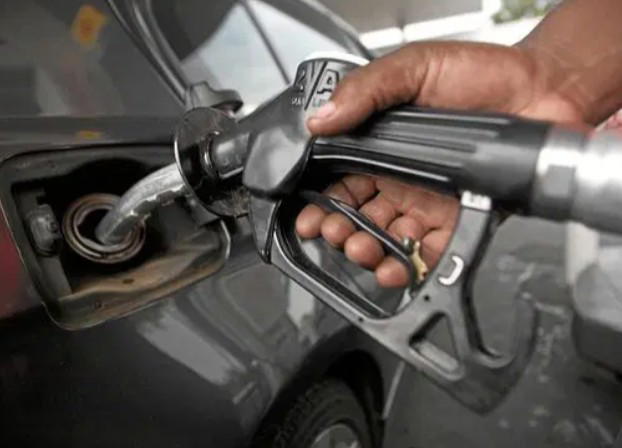
Photo: Vanguard
Your Pocket Is Under Attack Again, My People
Chai! Just when Nigerians were beginning to catch their breath, another fuel price increase has landed like a thunderbolt. Petrol and diesel prices have gone up again, and if you think this only affects people who drive cars, think again. From the danfo bus you board every morning to the fried rice you eat at lunch, everything is about to feel the heat. Let us break it down for you — exactly how much more you are likely to spend and what you can do to survive this latest economic pressure.
What Is Actually Happening With Fuel Prices?
Following the removal of the fuel subsidy and the deregulation of the downstream sector, pump prices in Nigeria have continued to fluctuate. As of recent reports, petrol prices at major filling stations across Lagos, Abuja, and other cities have climbed significantly. While the Nigerian National Petroleum Company Limited (NNPCL) and independent marketers continue to adjust prices based on foreign exchange rates and crude oil costs, ordinary Nigerians are the ones bearing the full weight of these adjustments.
Diesel, which powers generators, trucks, buses, and industrial equipment, has also seen its price surge. This is particularly dangerous because diesel drives the backbone of Nigeria's informal economy — the trucks that carry tomatoes from Kano to Lagos, the generators that power small businesses in Alaba market, and the cold rooms that keep fish and meat from spoiling.
How This Will Hit Your Daily Transport Budget
Let us talk numbers. Before the latest hike, a typical journey from Ojuelegba to Lagos Island on a danfo might cost you around ₦300 to ₦400. With this new increase, expect to pay between ₦500 and ₦700 for the same trip within weeks. Bus drivers and keke riders do not absorb fuel costs — they pass every single kobo to passengers.
For those who drive their own cars, filling a 50-litre tank that previously cost around ₦40,000 could now set you back ₦50,000 or more depending on your location and the station. If you drive to work five days a week and refuel twice a month, you are looking at an additional ₦20,000 or more monthly just on fuel. That is money that could have paid for your child's school fees or three weeks of groceries.
Your Food Bill Is Going Up — Here Is Why
This is where it gets really painful. Nigeria's food supply chain runs almost entirely on diesel-powered trucks. When diesel prices rise, transporters increase their rates, and those costs are transferred directly to food prices at the market. Here is a rough breakdown of what to expect:
- A bag of rice (50kg) that currently sells between ₦85,000 and ₦95,000 could cross the ₦100,000 mark in the coming weeks.
- Tomatoes and pepper, which are extremely sensitive to transport costs, could see price spikes of 20 to 30 percent.
- Palm oil, groundnut oil, and other cooking essentials will likely follow the same upward trend.
- Bread and baked goods will increase because bakeries depend heavily on diesel generators to run their ovens, especially with the epileptic power supply situation.
- Bottled water, soft drinks, and packaged foods will also see adjustments as manufacturers factor in higher production and logistics costs.
A family that currently spends ₦150,000 monthly on feeding should prepare to spend at least ₦180,000 to ₦200,000 for the same quantity and quality of food. That is not small money in a country where millions earn less than that in a full month.
Small Businesses and Market Traders Are Not Spared
The suya seller, the provision store owner, the fashion designer who powers her sewing machine on a generator — everyone in the informal sector will feel the squeeze. With diesel prices rising, the cost of running generators increases sharply. Many small business owners will either pass these costs to customers, reduce their operating hours, or in the worst cases, shut down temporarily. This creates a vicious cycle: fewer businesses operating means fewer goods available, which means even higher prices.
Survival Tips: How to Manage in This Tough Season
We know the government will not come to save you tomorrow morning, so let us talk practically about what you can do right now to protect your finances:
- Buy in bulk where possible: Foodstuffs like beans, rice, garri, and dried fish store well. Buying in larger quantities now, before prices climb further, can save you serious money over the next few months.
- Explore shared transportation: Apps like BRT buses, Bolt pool rides, or even organising a car pool with colleagues can cut your transport costs significantly.
- Cook from scratch more often: Processed and packaged foods will become more expensive. Learning to cook more meals at home using basic ingredients will stretch your budget further.
- Switch to gas or solar for small appliances: If you can afford the initial investment, switching your cooking from a generator-powered setup to a gas cooker or even solar-powered appliances will reduce your dependence on diesel.
- Track your spending ruthlessly: In times like this, every naira must be accounted for. Use a simple budget app or even a notebook to see where your money goes each week.
- Explore local and seasonal produce: Buying vegetables and fruits that are in season locally is almost always cheaper than buying imported or off-season items.
The Bigger Picture: When Does This End?
The honest truth is that until Nigeria fixes its refineries, stabilises the naira, and reduces its dependence on imported fuel, these price cycles will continue. The Dangote Refinery was supposed to bring some relief, and while it has started production, the full impact on consumer pump prices is yet to be felt in a meaningful way across the country.
For now, the burden falls on ordinary Nigerians — the market woman in Onitsha, the Okada rider in Kaduna, the graduate struggling to pay rent in Ibadan. Until systemic solutions arrive, we must help ourselves survive the storm.
Stay sharp, spend wisely, and remember — this too shall pass. But until it passes, protect your pocket with everything you have.

Comments
Post a Comment