


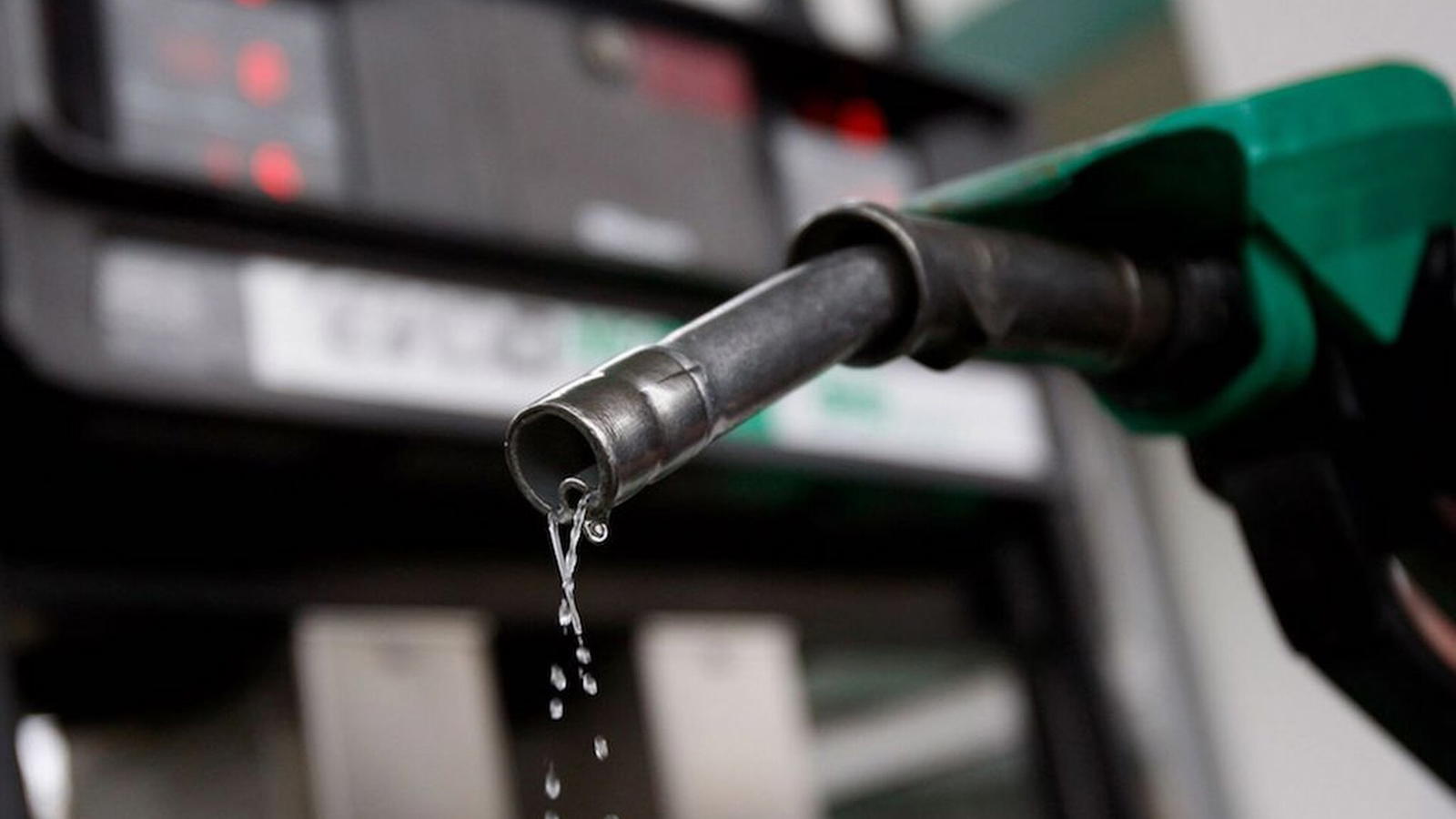
Photo: Vanguard
Your Fuel, Your Food, Your Transport — Everything Is About to Cost More
Omo, if you think the current cost of living in Nigeria is already giving you headache, e be like say more pepper don dey on top the stew. International crude oil prices have surged past $100 per barrel, and oil marketers are already sharpening their pencils to adjust pump prices upward. For the average Nigerian hustling to survive, this news lands like a heavy stone dropped inside a bucket of water — the ripple effects will touch everything.
Let's break it down in plain language, because this thing concern all of us — from the Oga at the top riding his fuel-guzzling SUV to the mama selling akara by the roadside who depends on a generator to fry her beans before dawn.
So Why Is Crude Oil Suddenly This Expensive?
The Middle East has been a tinderbox for decades, and whenever tension flares in that region, the global oil market starts sweating. With geopolitical conflicts escalating, oil-producing nations and major traders have started pricing in the risk of supply disruptions. When supply looks shaky, prices go up — simple economics, but very painful consequences for countries like Nigeria that still import refined petroleum products despite sitting on millions of barrels of crude oil. Yes, you read that right. We sell raw crude, buy back refined fuel. That irony never gets old, does it?
With benchmark crude now crossing the $100 per barrel threshold, the landing cost of importing petrol, diesel, and kerosene has jumped significantly. Oil marketers — the people who bring these products into the country — are now saying they cannot absorb the additional costs. And so, as sure as the sun rises over Lagos Island, those costs are coming straight to you and me at the pump.
The Pump Price Palaver: What to Expect
Already, Nigerians are feeling the squeeze at filling stations. The deregulation of the downstream petroleum sector, which removed the old fuel subsidy arrangement, means pump prices now move with market forces. So when international prices jump, domestic prices follow — sometimes faster than you can say "subsidy removal."
If marketers successfully adjust prices upward in response to the $100-per-barrel surge, Nigerians could be looking at paying significantly more per litre at filling stations. And before you say "at least NNPCL will maintain their own price," remember that even the national oil company operates within commercial realities. Nobody is selling fuel at a loss for long — not in this economy.
Transportation Costs: The First Domino to Fall
Here is where it hits hardest for the everyday Nigerian. The moment fuel prices increase, danfo drivers, Keke NAPEP operators, Uber drivers, long-distance trailer operators — everybody recalculates their costs. And those costs? They pass them straight to passengers and customers.
That Lagos to Ibadan trip that costs you ₦3,000 today? Expect it to climb. Your daily okada or tricycle fare from home to the bus stop? E go go up. The cost of moving goods from the North to the South, from farms to markets, from ports to warehouses? All of it goes up the moment diesel prices rise.
Diesel is the backbone of commercial transportation and industrial activity in Nigeria. Generators, trucks, boats, heavy machinery — they all run on diesel. When diesel hits a new high, the entire logistics chain reacts like a body touched by electric current — every part jolts.
Inflation on Goods and Services: The Invisible Tax on the Poor
This is where things get really serious. Nigeria's inflation has already been stubbornly high, causing the Central Bank of Nigeria sleepless nights and ordinary Nigerians even worse ones. A fresh surge in energy costs will add fresh fuel — pun intended — to the inflation fire.
Think about it this way:
- Food prices: Farmers use diesel-powered machines to harvest. Transporters use diesel trucks to move produce to market. Market women use generators to keep food cold. Every step in the food chain becomes more expensive, and the final price lands on your plate — literally.
- Manufacturing costs: Most Nigerian factories rely on diesel generators because NEPA — sorry, the grid — cannot be trusted. Higher diesel costs mean higher production costs, which means higher prices for locally made goods.
- Small business owners: The suya seller using a generator, the hair salon running on fuel, the cold room operator, the frozen food seller — all of them will either raise their prices or quietly reduce the size and quality of what they offer you.
- Rent and utilities: Landlords and property managers who power estates and commercial buildings with diesel generators will factor in higher running costs when it's time to review service charges and rents.
Who Suffers the Most? You Already Know the Answer
Low-income Nigerians — civil servants on minimum wage, market traders, subsistence farmers, artisans, and the millions who live on less than ₦50,000 a month — will feel this most brutally. When you are already spending over 60% of your income on food and transport, any upward movement in those costs is not just uncomfortable — it is catastrophic.
The middle class is not spared either. That professional who drives to work and budgets carefully every month will suddenly find that their fuel budget is blowing up, squeezing money meant for school fees, rent, and savings.
What Can You Do? Practical Steps for the Naija Hustler
While we wait for government policies and global markets to do what they will do, here are a few ways to cushion the blow on your personal finances:
- Explore carpooling with colleagues and neighbours to split fuel costs
- If you run a business, start reviewing your pricing structure now — don't wait until costs overwhelm you
- Reduce generator usage by investing in solar alternatives where possible
- Buy foodstuffs in bulk before prices climb further
- Track your expenses more closely and cut discretionary spending
The Bigger Conversation Nigeria Must Have
Beyond survival tactics, this moment should force a national conversation about why Africa's largest oil producer continues to import refined petroleum. The Dangote Refinery represents hope, but the full commercial impact on pump prices has been slow to materialize at the scale Nigerians desperately need.
Until domestic refining capacity truly covers national demand, every spike in global crude prices will continue to arrive at our doorsteps uninvited. The $100-per-barrel reality is not just a headline — it is a reminder that Nigeria's economic vulnerability runs deep, and the ordinary citizen always ends up holding the short end of the stick.
For now, tighten your belt, adjust your budget, and pray that the Middle East tension cools before your pocket completely empties. Na so e be for Naija.

Comments
Post a Comment