


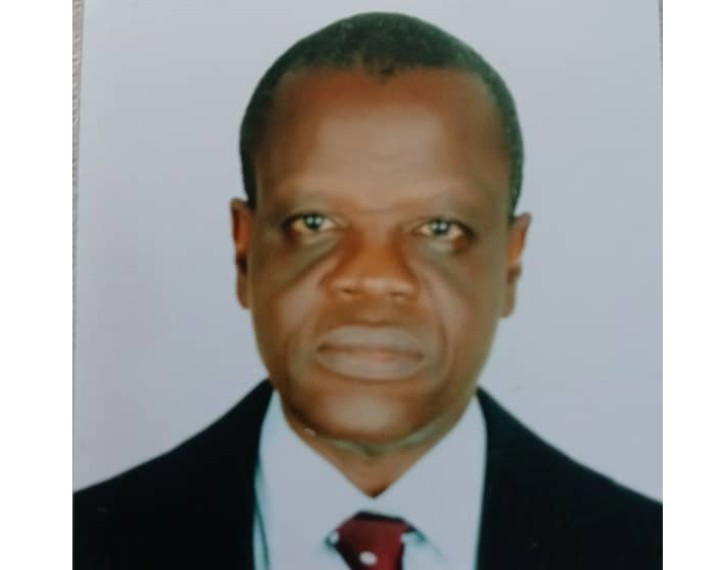
Photo: Vanguard
The Question Nobody Wants To Answer Loudly
Abeg, let us talk about something that has been making serious noise in Abuja corridors this week. President Bola Tinubu reportedly intervened when the Economic and Financial Crimes Commission (EFCC) froze an Osun State Government account. Now, on the surface, you might say, "Oga is just taking care of his people." But wait — is that how a constitutional democracy is supposed to work? Because this thing raises a very serious question about power, loyalty, and whether anti-corruption agencies in Nigeria are truly independent or just tools that get switched off when the right phone call comes in.
What Exactly Happened in Osun?
The EFCC, in what appeared to be a routine anti-corruption operation, moved to freeze accounts belonging to the Osun State Government. Now, the EFCC does not just wake up and freeze government accounts for fun — there is usually an investigation, a trail, a reason. But before that matter could breathe, sources close to the presidency began suggesting that Tinubu's intervention played a significant role in walking back the action. The governor of Osun State, Ademola Adeleke — a fellow APC loyalist and let's not forget, a man who dances better than most of us — found himself in an awkward position at the center of this controversy.
Now, Adeleke's camp has denied any wrongdoing, and as of now, nothing has been proven in court. These are allegations, not convictions. But the bigger conversation is not even about Adeleke. It is about the hand that allegedly moved to protect him — and whether that hand had any constitutional right to move at all.
Is This Presidential Privilege or Presidential Overreach?
This is where it gets juicy, my people. Nigeria's constitution under Section 130 makes Tinubu the Chief Executive of the Federation. But the EFCC Act of 2004 establishes the Commission as an independent body that answers — at least on paper — to the Attorney General of the Federation and not directly to the President's personal political interests.
So when a sitting president allegedly steps in to halt or reverse an anti-corruption agency's action against a governor from his own party, is that executive privilege? Or is it executive interference dressed in agbada and called loyalty?
Let's call bread bread, as we say. There is a thin — very thin — line between a president coordinating governance and a president weaponizing or de-weaponizing anti-corruption bodies based on political calculations. Nigerians have watched this movie before. Under different administrations, the EFCC has been accused of going after political enemies while leaving political friends untouched. Are we watching a rerun?
The Governors' Club and the Man Holding the Key
Here is the deeper layer that Emmanuel Aziken's original reporting hints at — and it is worth unpacking. Tinubu has enormous political capital. He controls federal appointments, allocations, and can make or break a governor's second term ambitions simply by withdrawing support. Governors in Nigeria — even those in opposition states — often tread carefully around Aso Rock because the federal government's financial reach is long and wide.
So the real question becomes: when a president can politically influence what happens to state governments, does he need constitutional permission to protect them from scrutiny? Or does such protection automatically become an abuse of office?
- Political loyalty vs. rule of law: Protecting an ally might feel natural in Nigerian politics, but it sets a dangerous precedent that suggests immunity can be purchased through party affiliation.
- Institutional independence: If the EFCC can be walked back on instruction from above, then every conviction they secure becomes questionable — was it justice or just politics?
- Federal character of corruption: Ironically, Tinubu's anti-corruption rhetoric has been loud. His administration has talked big about fighting graft. How does that square with allegedly shielding a state government account from scrutiny?
- Voters and accountability: The people of Osun State deserve to know if their funds are being properly managed. Presidential intervention in that process — regardless of motive — denies them that transparency.
But Let's Be Fair — Nigeria Is Complicated
Now, before we pour all the garri on Tinubu's head, let us acknowledge that Nigeria's political terrain is not black and white. Sometimes, state accounts get frozen over disputes that are more administrative than criminal. Sometimes, EFCC actions are politically motivated from the other direction — used to harass opponents rather than fight corruption. We have seen that too.
If Tinubu intervened because he believed the EFCC action was itself politically motivated — perhaps a carryover from the previous administration's tensions — then the conversation becomes more nuanced. But that nuance requires transparency, and transparency requires explanation. Neither the presidency nor the EFCC has given Nigerians a clear, public account of what happened and why.
And that silence? That silence is loud, my people. Very loud.
What Should Nigerians Be Asking?
If you are a Nigerian citizen who cares about where this country is going — and you should care, because your future is tied to this — here are the questions you need to be demanding answers to:
- Why exactly did the EFCC freeze the Osun State account? What was the specific allegation?
- Was the freeze lifted, modified, or suspended? And on whose authority?
- Did President Tinubu directly communicate with EFCC leadership about this matter?
- Is there an ongoing investigation that the public deserves to be informed about?
The Bottom Line: Lines Exist For A Reason
Constitutional lines are not drawn to frustrate presidents — they are drawn to protect citizens. When those lines blur, it is always the ordinary Nigerian who pays the price. If Tinubu crossed a constitutional boundary by shielding a governor from anti-corruption scrutiny — and we must emphasize the word if, because full facts are still emerging — then he has done more damage to Nigeria's democratic institutions than any freezing of accounts ever could.
A president who can turn anti-corruption on and off like a generator is not fighting corruption. He is just managing it. And Nigerians, with all the suffering we have endured from looted public funds, deserve far better than corruption management. We deserve actual accountability — whether you dey wear aso-ebi with Aso Rock or not.
The conversation is just beginning. Where do you stand?

Comments
Post a Comment