


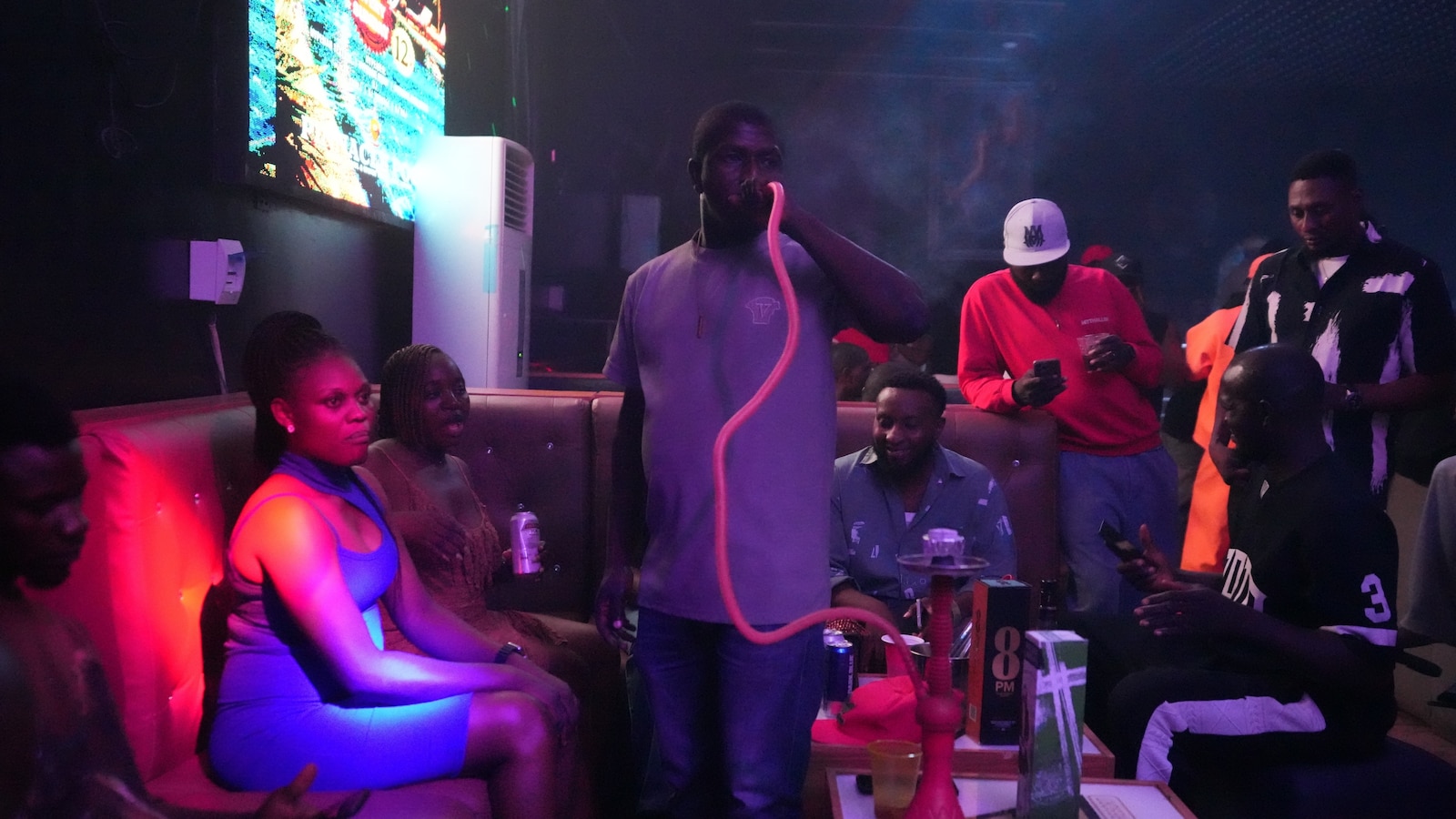
Photo: Abcnews.com
The City That Sleeps in Two Worlds
If you've never been to Sokoto, you might picture it as a city where everyone rolls out their prayer mats at sunset, the muezzin's call echoes across dusty streets, and nothing stirs after dark except the occasional bleating of a goat. And honestly? You wouldn't be entirely wrong. But you wouldn't be entirely right either.
Sokoto — the so-called "Seat of the Caliphate" — is one of Nigeria's most religiously significant cities. It is the spiritual headquarters of Islam in West and Central Africa, home to the Sultan of Sokoto, and a place where Islamic law and tradition run deep in the veins of everyday life. But scratch beneath that surface, and you'll find something that will raise more than a few eyebrows: a nightlife scene that is very much alive, very much hidden, and very much booming.
Two Lives, One City
Talk to any young person in Sokoto — at least the ones who trust you enough to be honest — and they'll tell you about the double life. During the day, it's caps, hijabs, and "Alhamdulillah" at every corner. By night? The phone buzzes, someone shares a location on WhatsApp, and suddenly a gathering materialises somewhere between the zinc fences and dusty backroads of this ancient city.
"You have to understand, we are not bad people," one young man, let's call him Yusuf — not his real name, obviously — told a reporter who spent time in the state. "We just want to enjoy our youth. But in Sokoto, you cannot be yourself openly. You learn to manage."
Managing, in Sokoto parlance, means navigating a city where the Hisbah — the Islamic morality police — patrol the streets with very real authority to stop, question, and detain people they consider to be violating Islamic codes of conduct. Mixing of unmarried men and women in public? Problem. Alcohol? Big problem. Music blaring past a certain hour? You don already enter wahala.
Who Are the Hisbah and Why Are Young People Running Circles Around Them?
The Hisbah Corps was established across several Northern Nigerian states following the expansion of Sharia law in the early 2000s. In Sokoto, they operate as a kind of moral enforcement unit — think of them as the spiritual cousins of traffic wardens, except instead of your car, they're interested in your character.
They've been known to raid viewing centres showing what they consider indecent content, break up mixed-gender gatherings, and confiscate alcohol. In some documented cases, they've handed over offenders to the regular police. Their presence is real, their reach is notable — and yet, somehow, the youth of Sokoto have found a way.
"They don't know everywhere," laughed one young woman, a university student we'll call Hauwa. "We move around. If they close one place today, we find another place tomorrow. Na so it dey go."
The Underground Social Scene
Sokoto's underground social culture is not some raucous, Lagos-style rave situation. It's quieter, more discreet, and honestly more clever. Gatherings happen in private homes, in rented rooms on the outskirts of town, and in spots that only regulars know about. Information travels through trusted circles — someone tells someone who tells someone, and before you know it, twenty young Nigerians are somewhere laughing, playing music, and just being young.
There's music — Afrobeats, Arewa pop, even some Hausa hip-hop that the elders would have opinions about. There's dancing, though not the kind you'd post publicly on TikTok if you value your reputation in town. There's also the drinking, which happens far more than outsiders expect in a state governed by Sharia.
Alcohol is technically illegal for Muslims in Sharia-governed states, but its availability in Sokoto — through informal networks, through non-Muslim traders, through trusted middlemen — tells a story about how human desire and religious law have always existed in complicated tension. This is not unique to Sokoto. It is the human condition, playing out in a deeply conservative Nigerian city.
Insecurity Adds Another Layer of Fear
But here's where the story gets heavier. The double life these young people live isn't just about dodging the Hisbah. Sokoto state has seen serious insecurity in recent years — bandit attacks, kidnappings, and violence that has claimed lives and displaced communities across the state's rural areas. The fear of going out at night is not just social or religious. It can be physical.
"Sometimes you want to go somewhere and you're thinking — Hisbah or bandits?" Yusuf said, laughing in that hollow way Nigerians laugh when the joke isn't really funny. "Both of them fit catch you. You just dey manage."
That word again. Manage. It is perhaps the defining word of young life in Sokoto — and, if we're being honest, in Nigeria at large. Managing contradictions. Managing expectations. Managing the gap between who the society wants you to be and who you actually are when the lights go low and the trusted friends gather.
What Does This Tell Us About Nigeria?
The hidden nightlife of Sokoto is not a scandal. It is a symptom. It tells us that young Nigerians — whether in Lagos, Abuja, Port Harcourt, or the Seat of the Caliphate itself — are all doing the same thing: trying to find joy, connection, and identity in a country that often makes those things difficult to come by.
It tells us that culture, religion, and governance, when they don't create space for the full humanity of young people, don't actually suppress that humanity. They just push it underground, where it becomes more fragile, more exposed to risk, and less honest than it needs to be.
Sokoto is many things: ancient, proud, deeply spiritual, and genuinely beautiful in its own way. But it is also a city full of young people who laugh too loud in secret rooms and check over their shoulders before pressing play on a Burna Boy song.
In Nigeria, that's not irony. That's just Tuesday.

Comments
Post a Comment