

Photo: Vanguard
When Men of God Speak, Will Aso Rock Listen?
E don reach that level again o. The tension between Nigeria's political class and its religious leaders has bubbled to the surface once more, and this time, Peter Obi is right in the middle of it — not as a troublemaker, but as a man who clearly cannot keep quiet when he feels justice is being swept under the carpet.
The former Labour Party presidential candidate has come out swinging against the Federal Government's dismissive response to recent statements made by the Catholic Bishops' Conference of Nigeria (CBCN). According to Obi, instead of the Tinubu administration sitting down and genuinely reflecting on what these respected clergy had to say, government spokespersons chose to wave off the bishops like they were ordinary political opponents throwing cheap punches. And Obi? He is not having any of it.
What Did the Bishops Actually Say?
Let's rewind small. The Catholic Bishops' Conference of Nigeria, which represents some of the most senior and respected Catholic clergy in the country, had raised serious concerns about the state of Nigeria — from the crushing weight of economic hardship on ordinary Nigerians, to insecurity, corruption, and what many describe as a government that seems more interested in managing perception than solving problems. These are not small men talking. These are bishops who have spent decades serving Nigerian communities from Borno to Bayelsa, from Kano to Kogi. Their voice carries weight — spiritual, moral, and social.
But rather than engage thoughtfully, some government officials essentially told the bishops to stay in their lane. Classic Nigerian political response: when the truth stings, attack the messenger.
Obi Steps Into the Ring
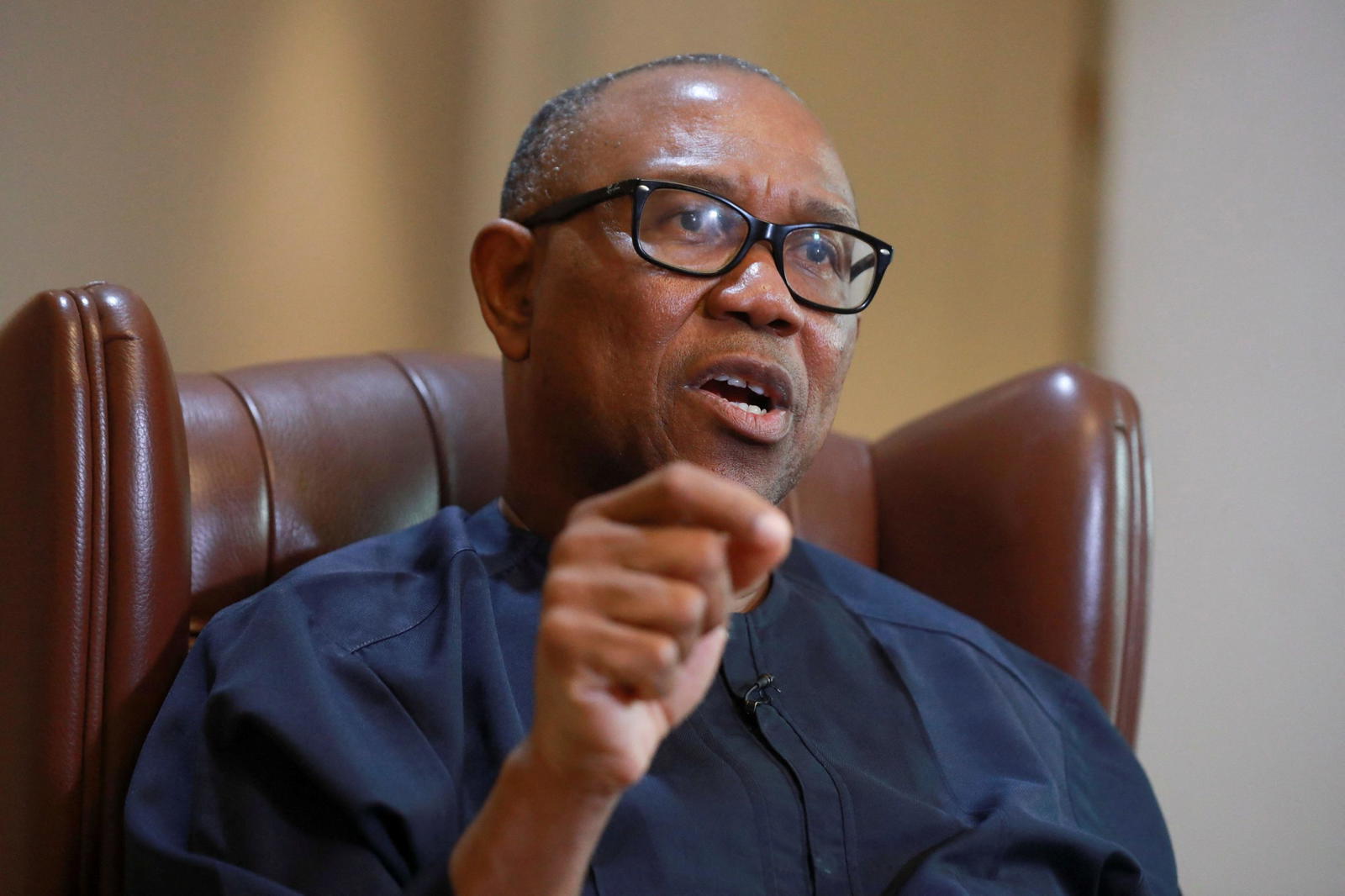
Peter Obi, who has built his post-2023 election brand around being a voice of conscience and accountability, was not about to let that slide. He publicly condemned the government's reaction, describing the bishops as trusted advisers whose counsel President Tinubu should welcome rather than deflect. In Obi's view, a wise leader listens — especially to voices that have no political agenda to pursue, no contract to collect, and no appointment to beg for.
"These are men who have dedicated their lives to God and to serving the Nigerian people," Obi reportedly argued. "Their observations about our country should be taken seriously, not dismissed."
Now, whether you are Catholic or not, whether you support Obi or think he should have won more states in 2023, the man raises a valid point. Religious leaders in Nigeria — Catholic, Muslim, Pentecostal — have historically served as moral checkpoints for political power. When Sultan Muhammadu Bello speaks, when Archbishop Ndukuba opens his mouth, when the CAN leadership issues a communiqué, these are moments that Nigerian leaders traditionally treat with respect. To wave them away is a different kind of boldness — and not the kind that ends well.
The Bigger Battle: Moral Authority vs. Political Power
What Obi is really doing here — and make no mistake, the man knows what he is doing — is positioning himself as the moral conscience of Nigerian politics. While Tinubu's government is busy defending its policies and managing narratives, Obi is consistently aligning himself with institutions and voices that ordinary Nigerians respect deeply.
Think about it:
- He speaks the language of accountability that resonates with the Obidient movement still very much alive across Nigeria.
- He uses every opportunity to contrast his values with what he perceives as the current administration's priorities.
- By defending the bishops, he wins goodwill among millions of Nigerian Catholics and even non-Catholics who respect religious institutions.
This is smart politics wrapped in genuine conviction — and that combination is what makes Obi dangerous in the public space. Whether his critics like it or not, the man understands optics. And defending bishops against a government that many Nigerians feel has made their lives harder? That is not a difficult position to take publicly.
Tinubu's Government and the Problem of Criticism
Here is where it gets interesting. The Tinubu administration has had a complicated relationship with criticism since day one. From the controversial fuel subsidy removal to the currency redesign chaos, from rising food prices to security challenges that seem to defy every policy response — the government has consistently pushed back hard against those who raise alarm bells.
But here is the thing: there is a difference between political opposition and pastoral concern. When a Labour Party senator criticises your policy, you can say it is partisan. When the Catholic Bishops' Conference speaks, you cannot play that card. These men have no electoral ambition. They are not lobbying for ministerial positions. They genuinely — at least by all available evidence — speak out of concern for the Nigerian people who fill their pews every Sunday.
Dismissing them is not just politically unwise — e be like say you dey scatter your own support base for no reason.
What Should Tinubu Actually Do?
In Obi's framing, and honestly in the framing of many Nigerians watching from the sidelines, the President should do something very simple: listen. Engage. Acknowledge the concerns, even if you disagree with some of the framing. Show Nigerians that their leaders — spiritual or otherwise — are respected partners in national development, not obstacles to be managed or dismissed.
A government that is truly confident in its direction does not fear honest criticism. It welcomes it, responds to it, and where necessary, adjusts course. That is leadership. That is the kind of maturity Nigerians are hungry for.
The Verdict
At the end of the day, this episode tells us something important about where Nigerian politics is heading. Peter Obi continues to build his identity as the man who stands with the people, with institutions of integrity, and against what he sees as the arrogance of power. Whether that translates into future electoral success is a conversation for another day.
But right now? Defending the Catholic bishops against government dismissal is a move that plays well with everyday Nigerians who are already frustrated, already praying harder than ever, and already wondering if anyone in the corridors of power is actually hearing their cry.
Tinubu has the power. Obi, for now, is staking his claim on something different — the moral high ground. And in a country as deeply religious as Nigeria, that is not a small thing at all. As we say for naija: God dey, and the people dey watch.
Comments
Post a Comment