

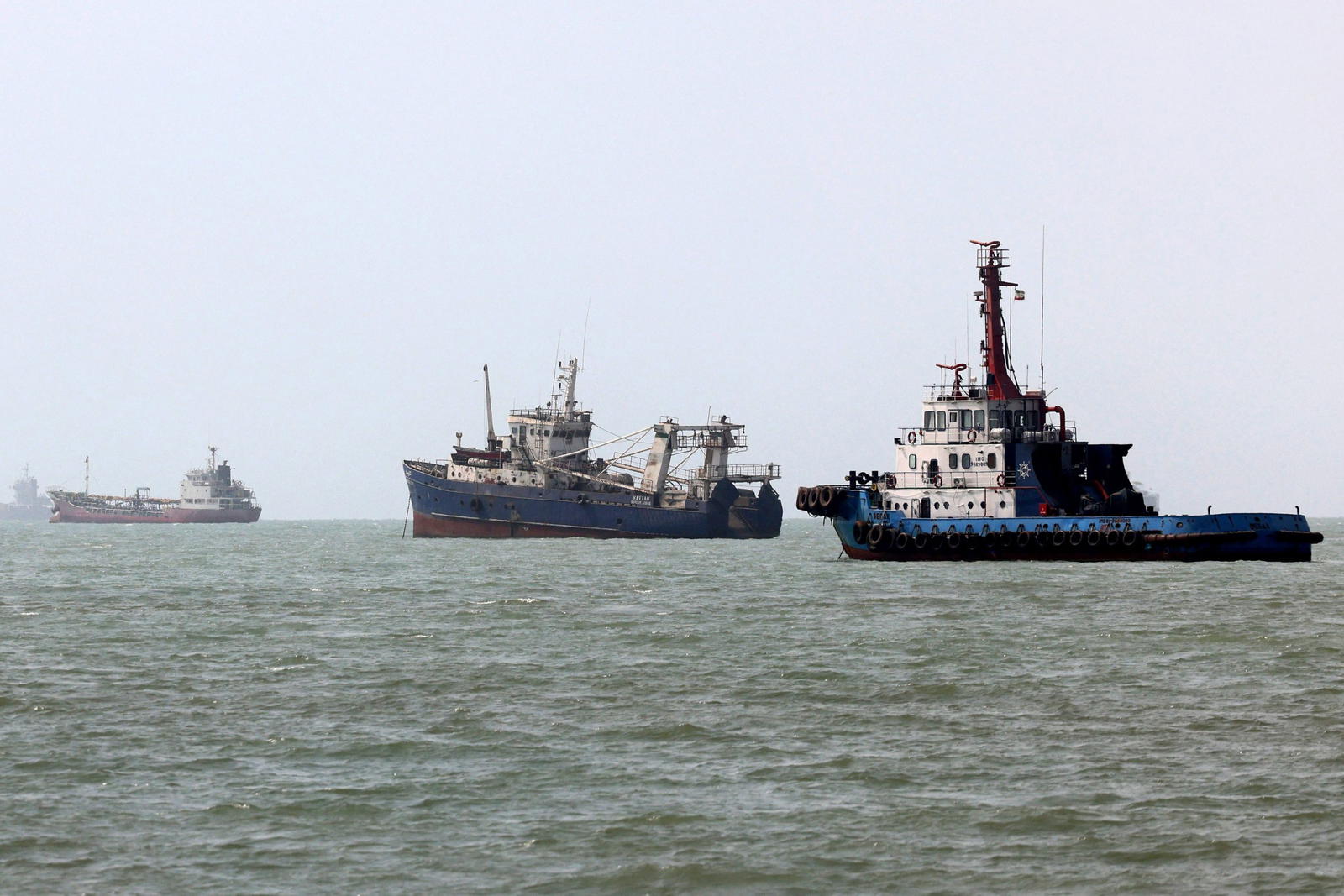
Photo: Vanguard
E Don Do! US Removes Nigeria From Maritime Blacklist After 12 Years
Make we talk the truth — for 12 whole years, Nigeria has been carrying a maritime albatross around her neck. The United States Coast Guard (USCG) had placed what they call a Condition of Entry (CoE) on any vessel coming from Nigerian ports, meaning ships that docked in Nigeria had to jump through serious extra hoops before America would even look at them twice. Extra inspections, enhanced security checks, plenty wahala. But as of now? That restriction don comot. E don go. Finished.
The US Coast Guard has officially lifted the Condition of Entry imposed on Nigerian-linked vessels, ending a 12-year regime of enhanced security requirements that was — let's be honest — a major embarrassment and a serious drag on Nigeria's maritime trade ambitions. This is not a small thing, people. This is the kind of win that deserves a proper celebration.
What Exactly Was This CoE Wahala About?
For those who are not familiar with maritime jargon, let me break it down. A Condition of Entry is basically America's way of saying: "We don't fully trust the security standards at your ports, so every ship that comes from there must prove itself before we allow entry." Ships arriving in US ports from Nigeria were subjected to additional inspections and security screenings — and that extra layer of scrutiny meant delays, higher costs, and a general sense that Nigerian ports were not operating at international standards.
This designation had been hanging over Nigeria since 2012 — a full twelve years during which Nigerian maritime operators, shipping companies, and seafarers had to deal with the stigma and the practical headaches that came with it. In global shipping, reputation is everything. When the world's biggest economy flags your ports as security concerns, other countries and shipping companies take notice. Contracts get harder to win. Insurance premiums go up. Investors look elsewhere.
So Why Did America Change Their Mind?
This didn't happen by accident or by Nigeria begging. It happened because Nigeria's maritime sector — particularly under the watch of the Nigerian Maritime Administration and Safety Agency (NIMASA) — has been doing serious work to bring Nigerian ports up to international standards. The International Ship and Port Facility Security (ISPS) Code compliance, improved port facility security assessments, better trained maritime security personnel — all of these contributed to Nigeria finally satisfying the requirements that the USCG had been looking for.
Let's give credit where it is due. The Ministry of Marine and Blue Economy and NIMASA did not rest on their oars on this one. Diplomacy was involved. Technical upgrades were made. And now, after over a decade of struggle, the result is here for all to see.
What This Means for Nigerian Trade — And Your Pocket
Now here's where it gets interesting for everyday Nigerians, not just the big shipping boys. When maritime trade flows easier, it affects everyone down the chain. Think about it:
- Lower shipping costs: Without the extra inspection requirements and delays, the cost of moving goods between Nigeria and the United States should reduce. That means imported goods — from electronics to industrial equipment — could become cheaper over time.
- More shipping traffic: International shipping companies that were quietly avoiding Nigerian ports because of the CoE stigma may now reconsider. More vessels calling at our ports means more revenue for the country.
- Better trade volumes: Nigeria exports crude oil, liquefied natural gas, agricultural produce, and other commodities to the US. Smoother maritime access means those trade relationships can grow stronger without unnecessary friction.
- Foreign investment in our ports: This is a big one. When the US — the world's economic superpower — effectively certifies that Nigerian ports meet international security standards, it sends a powerful signal to other investors and trading partners. Expect this to open doors that were previously shut.
What It Means for Nigerian Seafarers
Abeg, let's not forget the real heroes in this story — Nigerian seafarers. For years, these men and women who work aboard vessels have faced additional scrutiny, longer port stays, and sometimes outright professional embarrassment because of the CoE status. Nigerian maritime professionals are among the most skilled in Africa, yet they were carrying the weight of a designation that made their work harder.
With this lifted, Nigerian officers and crew on vessels sailing US routes can expect smoother port operations, faster turnarounds, and a restored sense of professional dignity. For a country that produces thousands of maritime graduates every year from institutions like the Maritime Academy of Nigeria in Oron, this development is a genuine career booster.
Nigeria's Global Standing Just Got a Serious Upgrade
Let's not mince words — this is a diplomatic and economic win for Nigeria at a time when the country needs good news. The naira has been under pressure, the economy has been going through serious turbulence, and Nigerians have been looking for rays of sunshine. This announcement from the USCG is one of those rays.
When America looks at Nigeria's ports and says "you meet our standards" — that statement echoes across the entire global maritime community. The European Union notices. Asian trading partners notice. The Gulf states notice. Nigeria just got a massive endorsement that no amount of advertising money could have bought.
The Work Is Not Over — Make We No Sleep
Before we pop too much champagne, though, let's be real. Getting this restriction lifted is step one. Maintaining the standards that earned us this recognition is step two — and that's the harder part. The temptation in Nigeria, as we all know, is to celebrate a win and then allow standards to slip. That cannot happen here.
NIMASA, port operators, security agencies, and the federal government must continue the investment and vigilance that brought us to this point. Because if standards slip, that CoE can come back. And trust me, a second time would be even more damaging than the first.
For now though? Naija, take your bow. After 12 long years, the maritime world is finally seeing us differently — and that difference is going to be felt in our trade figures, our shipping revenues, and the careers of thousands of Nigerian maritime professionals. This is a win. Let's enjoy it, and then let's build on it.
Comments
Post a Comment