

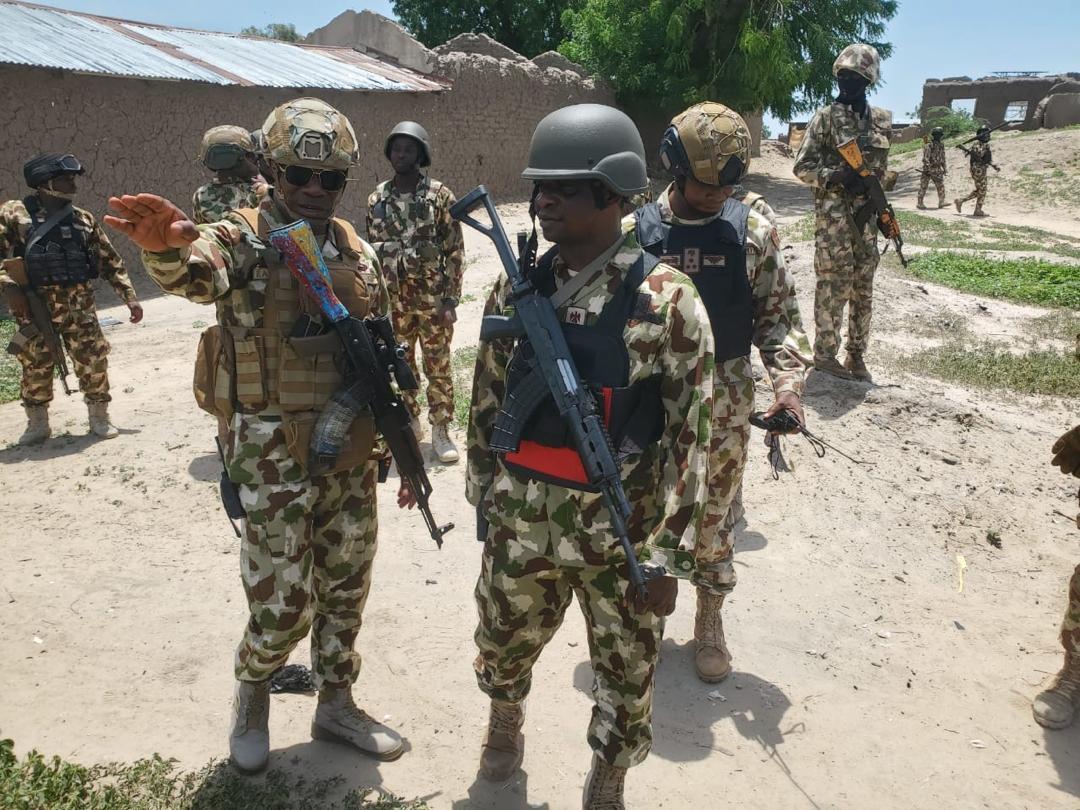
Photo: Vanguard
When Nigerian Security Forces Said 'Enough Is Enough'
E don happen! In one of the most remarkable rescue operations this country has seen in recent memory, no fewer than 315 Nigerians who had been snatched from their families by terrorists and kidnappers were freed within a single 24-hour window. Three states — Kwara, Niger, and Ogun — became theatres of coordinated security action that brought relief to hundreds of anxious families who had been living in pure agony, not knowing whether their loved ones were dead or alive.
If you ever doubted whether our security forces could deliver results, this one na serious answer to that question. Let's break down what happened and why this moment deserves both our applause and our honest reflection about the kidnapping crisis still eating Nigeria from the inside.
The Numbers That Matter
Out of the 315 people rescued, 308 of them were freed from captivity in operations spread across Kwara, Niger, and Ogun states. Think about that for a second — three hundred and fifteen human beings, each with a family, a story, a life — all returned within 24 hours. That is not a small thing, abeg. That is the kind of coordinated action that reminds you that when Nigerian security agencies put their minds to something, e fit happen.
These were not people who wandered out of the bush on their own. They were rescued — meaning soldiers, police, and other operatives put their lives on the line to go into dangerous territory and bring these citizens out. For that alone, the men and women in uniform deserve serious credit.
How It All Went Down
The operations were conducted in separate but clearly coordinated fashion across the three states. This kind of multi-state, near-simultaneous action suggests intelligence sharing and operational planning that Nigerians don't always hear about — and that deserves recognition. Security forces reportedly moved swiftly once actionable intelligence was received, which is exactly the kind of responsiveness that citizens have been demanding for years.
The speed of the rescue — all within 24 hours — is what makes this story stand out. Nigeria has seen rescue operations before, but to see this scale of action compressed into a single day? That's something worth shouting about on the rooftops.
The Families Who Can Breathe Again
Let's not forget the human side of this story, because it's easy to get lost in the numbers. Behind every one of those 315 people is a family that spent days, weeks, or possibly months in terror. Mothers who couldn't sleep. Children wondering where their fathers were. Husbands staring at empty chairs at the dinner table. For these families, the past 24 hours have been the difference between despair and joy.
This is the real victory — not just a statistic on a government press release, but actual human beings reunited with their people. That deserves to be celebrated with full chest, as we Nigerians like to say.
But Make We No Kid Ourselves — The Crisis Is Still Real
As proud as we are of this rescue operation, we cannot afford to use it as a reason to look away from the bigger problem. Kidnapping in Nigeria has become something close to a cottage industry for criminal gangs and terrorist groups, particularly in the North West, North Central, and parts of the South West. Bandits, Boko Haram remnants, and plain criminal networks have turned abduction into a business model — complete with negotiation processes and ransom demands that sometimes run into millions of naira.
The sad truth is that for every person rescued, there may be others still sitting in a forest somewhere, waiting and praying that someone comes for them too. Our security forces have shown they can move fast and effectively when the conditions are right — now the question is: how do we make those conditions the norm rather than the exception?
What This Rescue Operation Should Inspire
- More intelligence-led operations: The speed of this rescue suggests good intelligence was involved. Nigeria needs to invest more in community-based intelligence gathering so that kidnappers cannot hide for long.
- Better inter-agency cooperation: The fact that three states were covered simultaneously shows what happens when agencies stop working in silos. Make this the standard, not the exception.
- Victim support systems: Rescue is the beginning, not the end. Many survivors of kidnapping suffer from trauma that can last for years. Government needs to invest in proper rehabilitation and mental health support.
- Accountability for kidnappers: We need to hear that the perpetrators of these abductions are being prosecuted and convicted, not just that victims were freed. Justice must follow rescue.
Our Security Forces Deserve Their Flowers — And Our Continued Pressure
This is the kind of news that makes a Nigerian chest puff out with genuine pride. Our security forces showed up and showed out. They moved fast, they coordinated well, and they brought 315 people home. That is worthy of recognition, full stop.
But as we celebrate, we must also continue to hold government and security institutions accountable for the systemic failures that allow kidnapping to thrive in the first place. Poverty, unemployment, porous borders, weak local governance, and inadequate security funding all create the environment where bandits and terrorists feel comfortable operating. Fixing those structural issues is the long game that Nigeria must commit to playing.
For now though? Make we celebrate this win. Three hundred and fifteen families can eat their food in peace today because someone put on a uniform and did their job. That deserves a standing ovation — and a reminder that we expect nothing less going forward.
Nigeria go be alright — but only if we keep demanding the best from those who are supposed to protect us.
Comments
Post a Comment